Living Within My Means
In Hawaiʻi, where the cost of living far outpaces the national average, many residents are finding creative ways to make ends meet.

I’m starting with a confession: I’m 26 and had less than $50 in my bank account a couple of months back. I know, not good.
I’ve struggled with my finances since I first started earning money as a teenager. Instead of saving, I made too many impulse purchases and didn’t budget.
Now I’m proud to report that I’ve gradually gained financial independence from my parents, recently enrolled in a 401(k) and have cut back on frivolous spending. That’s progress in my book.
Yet, like many people my age, I live paycheck to paycheck. I love my job and the benefits are great, but my salary is modest, and living in the state with the highest cost of living makes matters harder.
IDENTIFY AND PLUG MONEY LEAKS
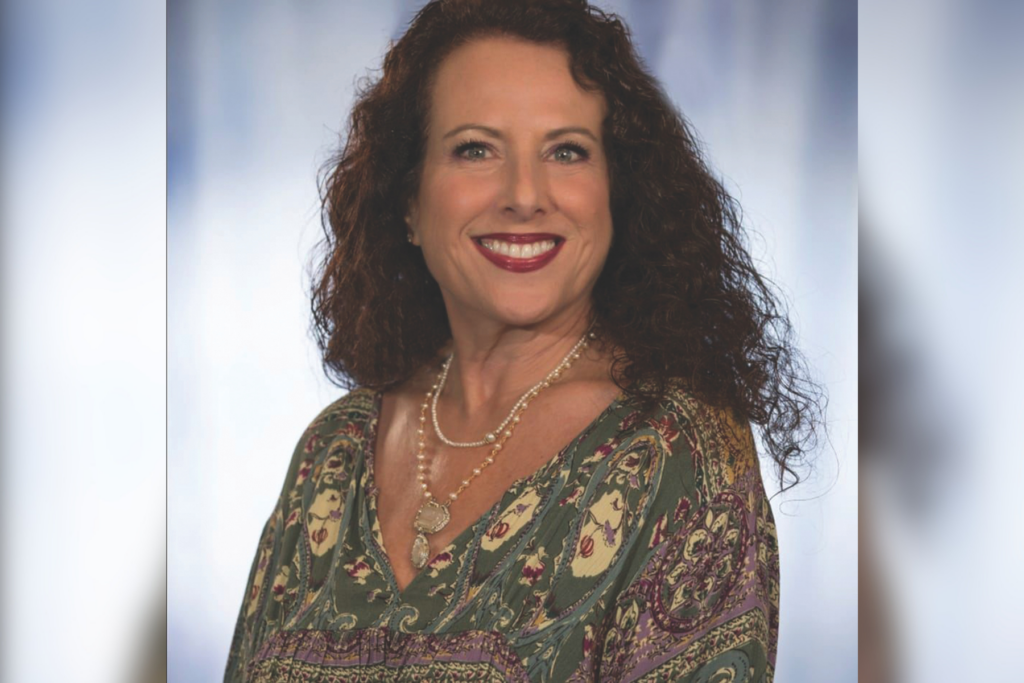
So I asked for advice from Jean Chatzky, founder and CEO of HerMoney and a keynote speaker at Hawaii Business Magazine’s Money Matters Financial Conference this month.
I shared my situation – and that I now have $300 in savings instead of $50. Chatzky’s first question: “Where does your money go?”
For me, it’s rent, utilities, Wi-Fi, car insurance, gas, groceries, student loans, a gym membership and a lot of dining out. Chatzky says dining out is a common money drain, especially among young adults reluctant to cook for one.
“A lot of people are not really conscious of where their money goes, so my first step is to track your spending,” Chatzky tells me; then she suggests apps that make the tedious process easier. After reviewing several, I downloaded Spending Tracker because I prefer its simple interface.
“Different people have different places in their lives where their money is leaking, and you have to figure out where your leaks are so you can plug them,” she explains.
That lets you redirect money to savings. Chatzky says $300 is an “OK start as an emergency cushion,” but it wouldn’t cover emergencies like a costly car repair or plumbing disaster. She recommends at least $2,000.
“Set achievable goals about how much you could automatically funnel into a high-yield savings account every payday,” Chatzky says. She suggests $50 per paycheck as a starting point, but “we want to get to where you’re consistently saving 15% of what you earn.”
RETHINKING A CREDIT CARD
I tell her I owe nearly $30,000 in student loans, with a current minimum payment of $178 a month. She tells me not to stress about paying more than that each month because, unlike high-interest credit card debt, student loan interest rates are generally reasonable. Her advice: Stick to the existing payment schedule and never be late.
As for credit card debt, I don’t have any because the only credit card I’ve had was canceled due to inactivity. I didn’t trust myself with that kind of spending power, so I never used it.
Chatzky says it’s time to apply for another: “Although your student loans help, nothing builds credit like a credit card.” She recommends a secured credit card, which requires a security deposit that functions as the credit limit and collateral.
She says to avoid putting discretionary purchases like shopping or dining out on it. Instead, select just one fixed bill for the credit card – such as a phone, gym or car insurance payment – and pay the card off automatically every month. After 18 to 24 months of responsible use, the card typically graduates to a standard one and the deposit is refunded.
Our conversation leaves me equipped with valuable knowledge and motivated to change. I’ll happily trade the stress of living paycheck to paycheck for the empowerment of a plan: finding money leaks by tracking my spending, sticking to attainable savings goals, and applying for a secured credit card to responsibly use and build credit.
For the first time, I don’t feel like a financial lost cause. And I know where I’m headed.