Lawyers for Ex-Hawai‘i Resident Sae Joon Park Seek NY Pardon
Purple Heart Veteran Was Forced to Self-Deport Last June Amid Pressure from I.C.E. After Nearly Half-Century in the U.S.
The attorney for Purple Heart veteran Sae Joon Park has asked New York
State Governor Kathy Hochul to pardon the former Hawaiʻi resident for decades-old drug and bail jumping convictions that caused Park to lose his legal U.S. residency status.
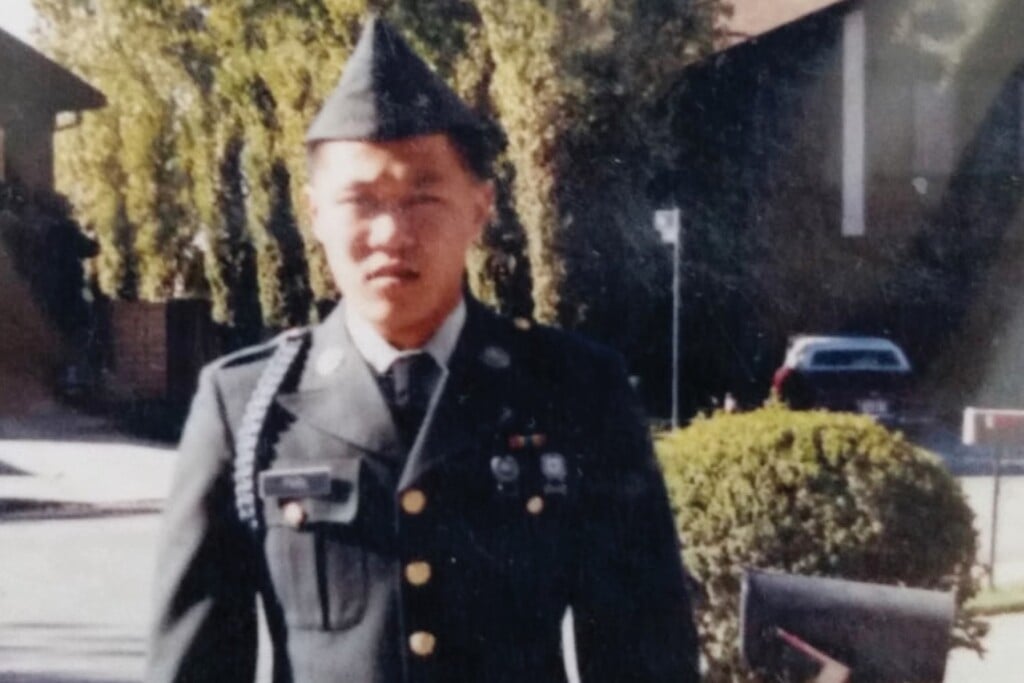
Park, who was featured in Hawaii Business Magazine (From Purple Heart To Persona Non Grata – Hawaii Business Magazine), lived in the U.S. for nearly 50 years since he was 7, and he was later awarded a Purple Heart honor for being wounded while a soldier in the 1989 U.S. invasion of Panama.
But he lost his green card status after being convicted of drug charges in a New York court. Although he said his drug use was a result of self-medication for Post-Traumatic Stress Syndrome that went untreated following his wartime injuries, the ruling rendered him “deportable.”
“This pardon application is about redemption,” said Danicole Ramos, Park’s attorney with the Refugee & Immigration Law Clinic at the UH William S. Richardson School of Law.
“We believe Mr. Park has demonstrated a crimefree life since those New York convictions. He has been an outstanding father to his children and an active caretaker for his elderly mother. We urge Governor Hochul to pardon Mr. Park. A pardon will recognize that people are more than the worst moments of their lives.”
A spokesperson for the New York Governor’s office said late Wednesday it doesn’t comment on pending clemency applications.
Specifically, the pardon application seeks executive clemency for drug possession and bail jumping convictions that occurred in Queens, New York, from 2007 to 2009, the bail jumping conviction is classified under federal immigration law as an aggravated felony and is the legal basis for Park’s deportation.
Following his New York conviction, Park later moved to Hawai‘i where he lived drug-free, held a job for more than a decade and annually checked in with U.S. Immigration and Customs Enforcement (I.C.E.). After President Donald Trump took office in January 2025, Park was told at his next check-in that he would be handcuffed and immediately deported. Ramos, his lawyer, negotiated a grace period to allow Park to self-deport instead.
Park said he decided to self-deport to South Korea last June in order to avoid being forcibly removed by the government to an uncertain location or duration.
There has been an outpouring of public support across the country for Park after his deportation case was publicized. Nearly 17,000 people have signed an online petition to reopen Park’s case.(https://www.change.org/p/savesaejoon-reopen-sae-joon-park-s-case-to-bring-him-home)
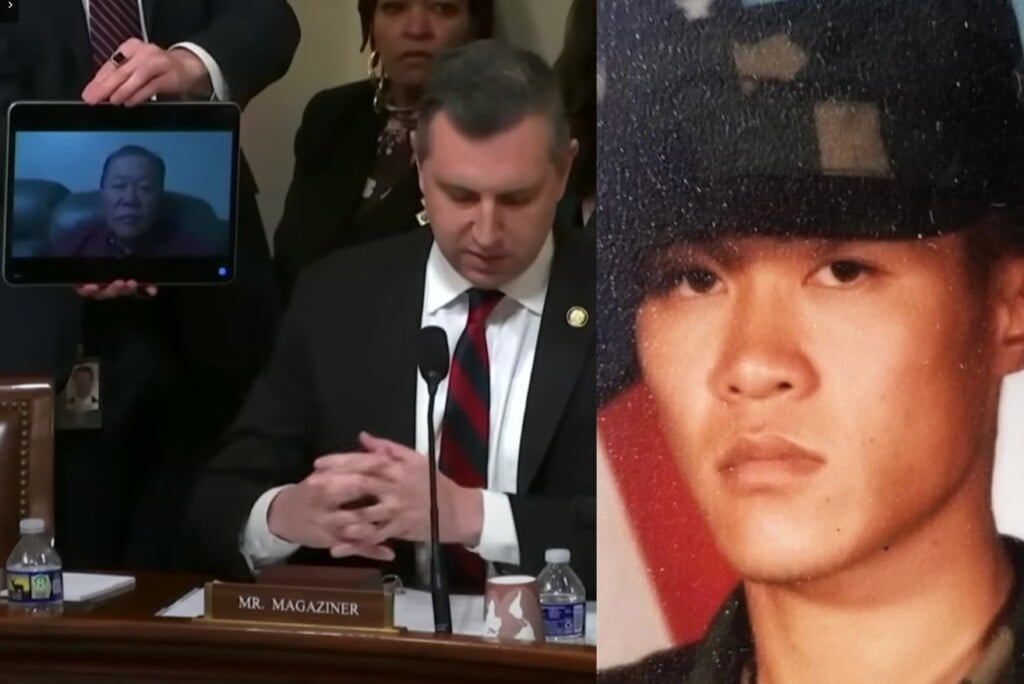
Last month, under sharp questioning by Rhode Island Rep. Seth Magaziner in congressional testimony, Homeland Security Secretary Kristi Noem finally agreed to look into Park’s case after initially asserting that no U.S. veterans had been deported under the administration’s crackdown on illegal immigration. Her department has not issued any updates on the status of that investigation.
If Mr. Park is granted a pardon for his New York convictions by Governor Hochul, his legal team said it would request a reopening of his removal order which could help provide him a path to return home to the United States.