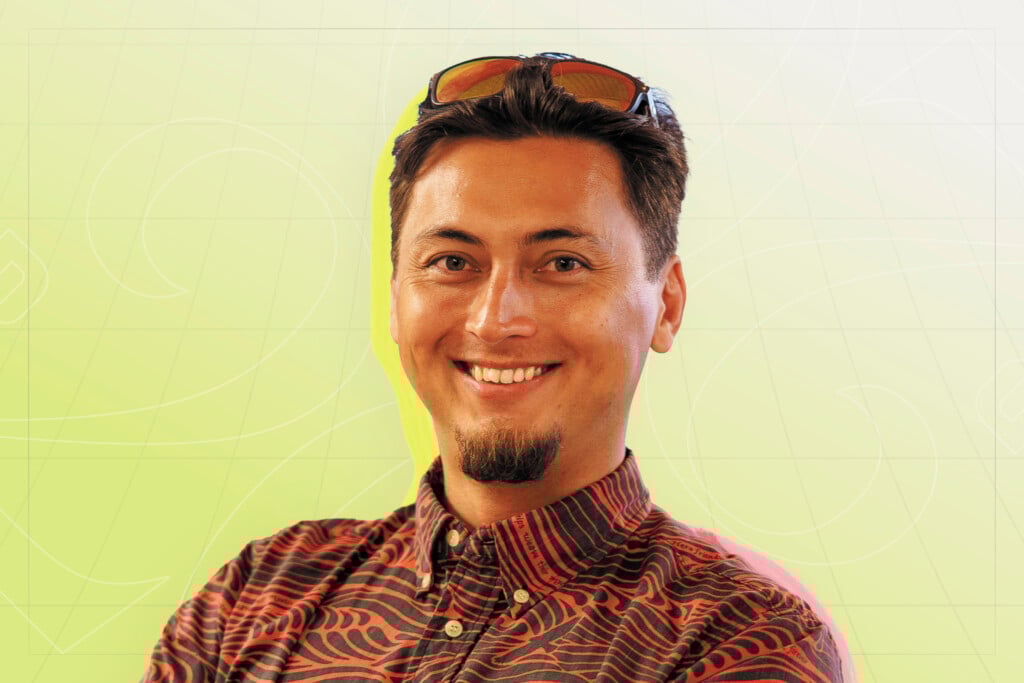
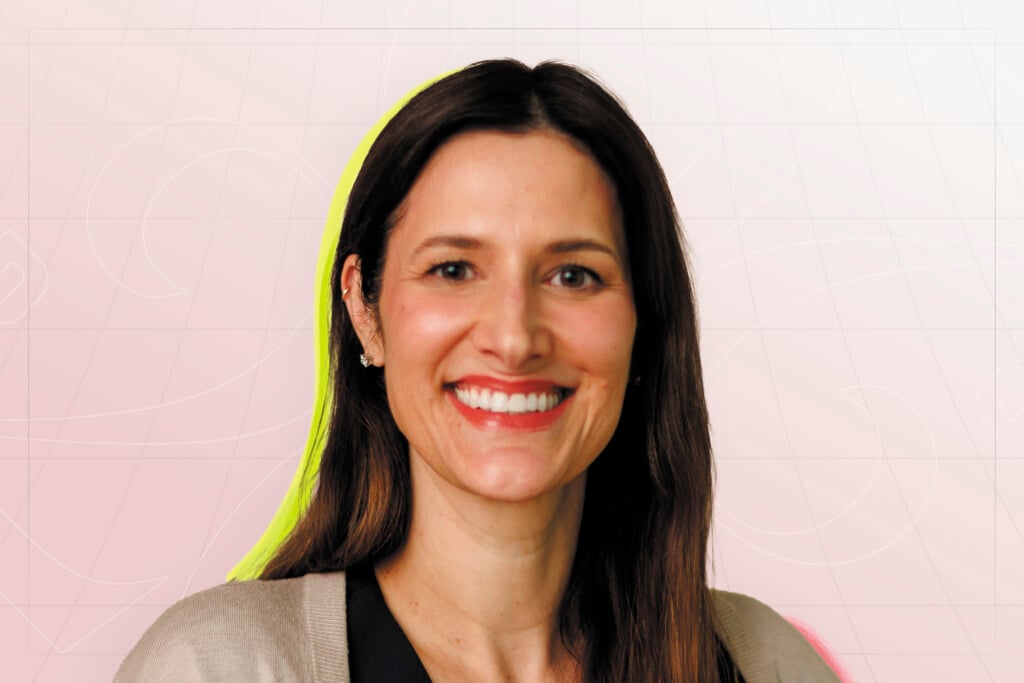
HB20: Victoria Hanes, Hawai‘i Island Community Health Center
Leading a team of nearly 500 serving 40,000 patients, Victoria Hanes champions a bold shift from reactive treatment to prevention-first primary care.

Vicky Hanes works for “healthcare’s best kept secret” – her term for community health centers. About 1,500 are located across the country, including 14 in Hawaiʻi.
Hanes is Chief Operating Officer at the Hawaiʻi Island Community Health Center, overseeing a staff of nearly 500 professionals who provide primary care services, including medical, dental, behavioral health and social services, to 40,000 people on the island.
She also is a clinical psychologist and an outspoken advocate for the role of primary care in reducing healthcare costs. She wants to flip the focus on paying for care after people get sick to prevention efforts.
“I don’t think people know about community health centers and how critical we are to the healthcare system in our country,” Hanes says. “We take care of people throughout the life span. We take care of mommies when they’re pregnant, we take care of babies when they’re born, we take care of pediatrics, we take care of adults, we take care of you when you’re well and when you’re sick, and we take care of our kūpuna.”
Hanes says only 3 to 4 cents of every dollar spent on healthcare goes to primary care, adding that demand for expensive emergency and specialty services could be reduced if prevention were emphasized.
“We’re here with people throughout the lifespan trying to take care of them to prevent people from ending up in the cardiologist’s office, or on the surgical table or in the emergency department,” she says. “We want you to come to us before you have to get to the emergency department.
“I feel really passionate about this. We need to change the tone of the conversation and think about how to support the primary care providers.”
The year ahead will be particularly challenging.
“We’re all bracing for immense change to happen in 2026 as the Affordable Care Act parameters change. I think we all know that there are going to be more people in need of help navigating the system or accessing health services as their insurance status changes or as they lose insurance because of affordability.”
Hanes’ passion stems from a lifetime of helping vulnerable populations, including in her own home. As a child, she helped her mother, an immigrant from Thailand, navigate the new country.
“My desire to help people as a psychologist is to help advocate for people who don’t really have a voice. It comes from those experiences with my mom,” Hanes says. “I really truly feel I’m in the right place.”