My Screen Time Is Concerning. I Bet Yours Is Too.
Our most precious resource is time. Here is how to stop letting your phone steal it.
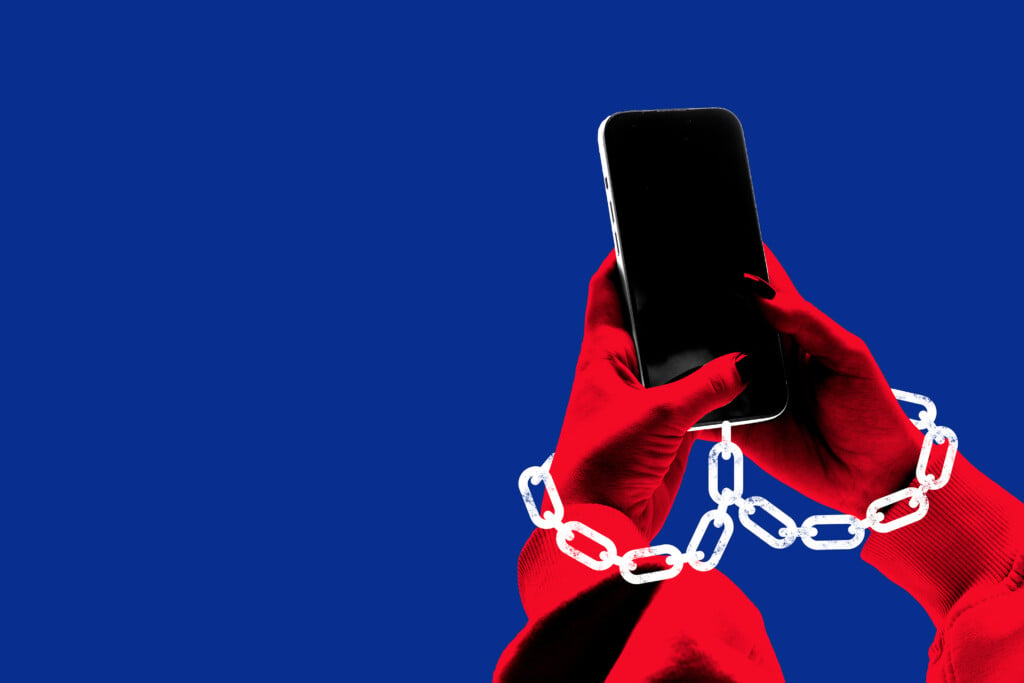
Every Sunday, I get a notification that tells me my average daily screen time. To my chagrin, last week’s average was 4 hours and 56 minutes a day spent on my phone.
If that sounds like a lot, it’s actually on par with the rest of the country; according to a 2025 nationwide survey of 1,000 people conducted by health data management firm Harmony Healthcare IT, the average American spends 5 hours and 16 minutes on their phone every single day.
Because I do most of my work on a computer, I’d say roughly 80% of my screen time on my phone is purely leisure.
Using unplugged.rest/screen-time-calculator, I realized that if I keep recreationally using my phone 4 hours a day for the rest of my life (given that I’m 27 now), I will waste approximately 8.8 years of the rest of my life on my phone.
That’s nearly nine years on top of however many years I’ve already wasted on my phone, computer and watching TV.
When I’m on my deathbed, I doubt I’ll look back and feel grateful for the countless hours I spent staring at screens. I’ll wish I had instead spent more time reading, hiking, going to the beach and being with friends and family. I’ll wish I had used that time to achieve my goals rather than giving attention to things online that didn’t fill my cup.
Not only does doomscrolling, the compulsive habit of excessively scrolling social media, harm mental health and waste personal time, but it also guts professional productivity. Data highlights how costly this distraction is for businesses: a Payless Power study revealed that Americans average 3.5 hours of doomscrolling during the workweek, costing employers an estimated $5,600 per employee annually.

Here are 3 tactics that I found effective at reducing screen time:
1. Turn on Grayscale
Our brains are hardwired to respond to vibrant colors flashing. By turning your display black and white, you make your phone less visually stimulating and therefore less addicting.
Here’s how to flip the switch. On iPhone: Open Settings, then Accessibility, then Display & Text Size. Turn Color Filters on and select Grayscale. On Android: Open Settings, then Accessibility, then Vision Enhancements, then Color Filters. Turn it on and select Grayscale.
Turn on grayscale and try watching a YouTube video or browsing Instagram. See for yourself how much easier it is to put down the phone and redirect your attention to the real world.
2. Turn Off Unnecessary Notifications
Smartphone alerts are engineered to hijack our brains’ dopaminergic reward system, the very network that motivates us to eat, socialize, and repeat survival behaviors. When your pocket buzzes, your brain anticipates a reward, causing a dopamine surge that reinforces the habit of checking your device.
A buzz could mean a meaningful message from a loved one or an annoying alert from an app you don’t even remember downloading. Because your brain can’t tell the difference beforehand, it treats every ping like it’s worthy of immediate attention, disrupting your focus in whatever you were doing beforehand.
To break this loop, I strongly recommend silencing everything but the essentials, such as texts, calls, calendar reminders and work emails. Turn off the rest. If an app wants your attention just to tell you someone posted a video or a sale is happening, revoke its notification privileges.
3. Bookend Your Day With Screen-Free Hours
The morning sets the tone for the day. Being intentional with your first hour after waking up makes it significantly easier to remain intentional with your time for the rest of the day.
Instead of first checking my phone or going straight to work on my computer, I’ve started setting my alarm earlier to claim the first hour for myself. I brew coffee, make my bed, wash the dishes from the night before and read a physical book. Some mornings, I go for a short walk to a nearby cafe to grab a latte and enjoy the fresh air. Starting each new day grounding myself in the real world instead of immediately letting myself get sucked into staring at screens feels much more peaceful and productive.
The same rule applies at night. The blue light emitted from devices suppresses melatonin production and tricks the brain into staying alert, making it harder to fall and stay asleep. Ditching your phone, laptop and TV for the final hour before bed allows your mind to unwind and naturally ease into a restful state.
Swapping late-night doomscrolling for a calming evening routine can quickly turn into a habit you cherish. For me, that looks like brewing chamomile and lavender tea, reading a book and just talking in bed with my partner.
For those of us lucky enough to live in Hawaiʻi, we have a natural advantage when it comes to unplugging. From mauka to makai, the Islands offer endless invitations to touch grass.
Our coastlines boast some of the loveliest beaches in the world. Getting in the ocean, whether to swim, paddle, snorkel, dive or surf, is the ultimate way to unplug because smartphones and saltwater don’t mix.
Or, if you prefer the mountains, going on a hike or nature walk also offers vitamin D, exercise, fresh air and breathtaking views. When there are so many ridges to climb and waterfalls worth trekking to, why waste an hour of beautiful weather on the weekend scrolling on social media?
Breaking your addiction to technology doesn’t mean you have to become a Luddite. It’s simply about drawing a line in the sand for more meaningful and rewarding experiences in your life.