From Hooves to Horns: The Life of a Large-Animal Veterinarian
There are hundreds of Veterinarians in Hawai‘i but only a relative few specialize in large animals.
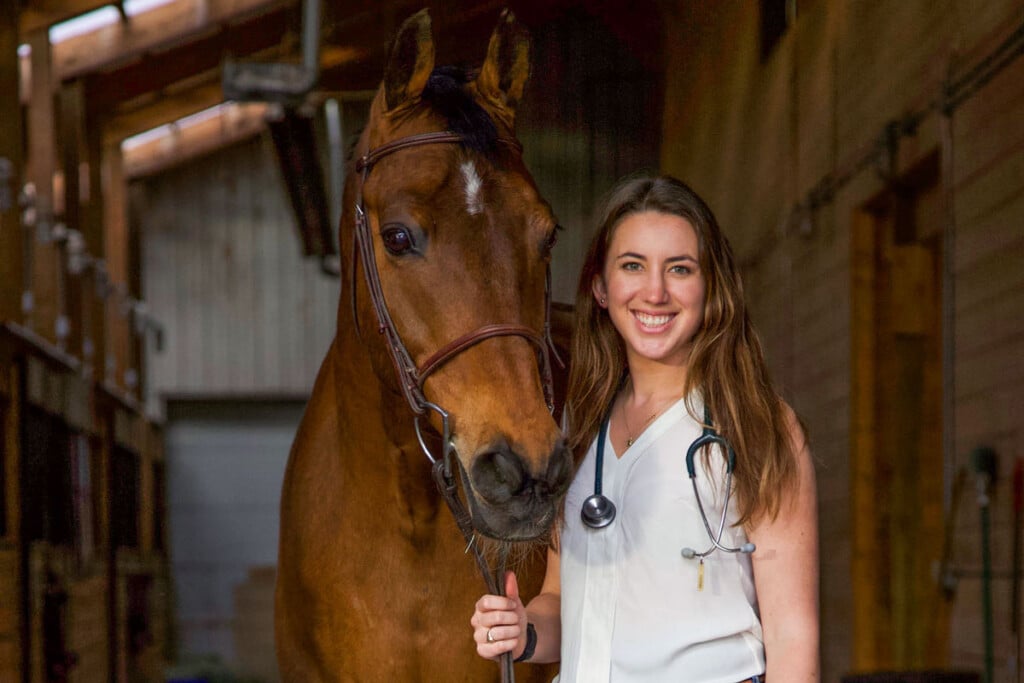
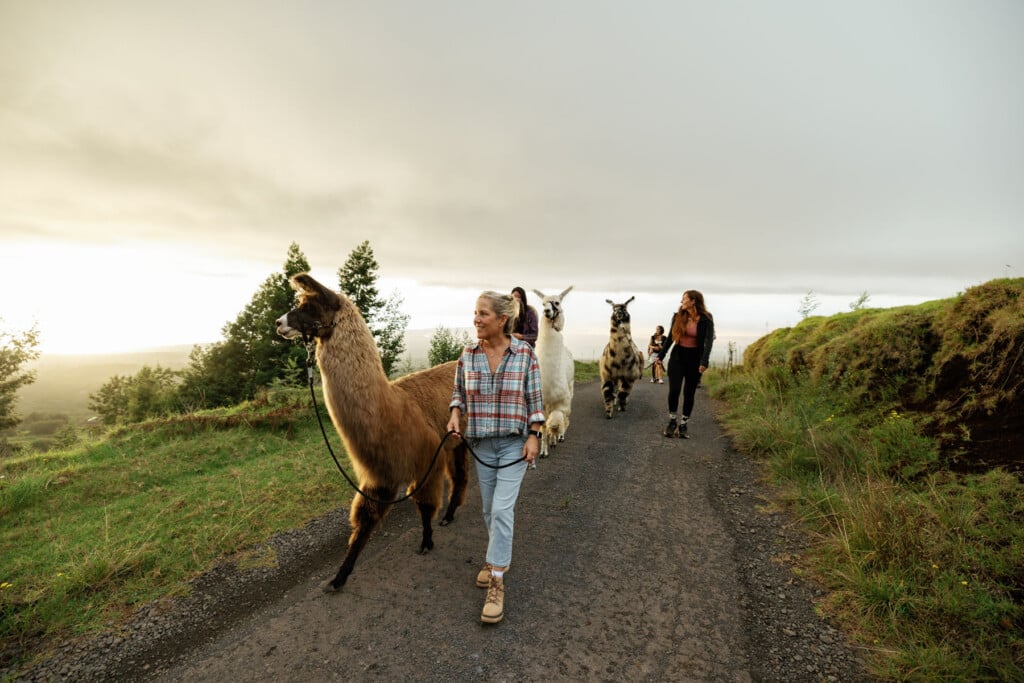
There are hundreds of veterinarians in Hawaiʻi but only a relative few specialize in large animals. One of them is Christy Haines, who has worked at the Makawao Veterinary Clinic on Maui since 2021 and treats horses, cows, sheep, goats and even llamas and alpacas. The job demands creativity, adaptability and medical knowledge.
“I like the variety. I like that it’s kind of outrageous – the unexpectedness of it,” Haines says with a laugh. “I love being around the animals, I love taking care of them, and I love taking care of the community – the people and the way of life. There’s a lot to love.”
BEGINNINGS: Haines knew from a young age that she wanted to work in medicine, being inspired by her doctor father. She was also surrounded by horses while growing up on a farm in Upcountry Maui and learned early on what it meant to care for animals.
Torn between human and animal medicine, she ultimately chose the latter – with her father’s encouragement. After earning her undergraduate degree from the University of Virginia, she attended Colorado State University’s veterinary school.
“I actually didn’t decide to do large animals until I was halfway through veterinary school,” Haines recalls. “I grew up on a farm with horses – riding, learning how to take care of them – but hadn’t really thought seriously about doing it as a career.”
But at veterinary school, Haines chose to work at large-animal clinics during the day while completing classes at night, believing the best way to learn was hands-on. After graduation, she completed an equine-only internship on the continent before returning home to serve her community.
HIGHLIGHTS: Her work is varied, ranging from routine checkups on horses, sheep and goats, to responding to emergency calls from remote corners of the island. Predawn calls might result in her helping to foal a mare or treating a sick animal in a muddy pasture.
One day, she’s performing surgeries and wellness care at the clinic; the next, she’s improvising in the field, like using a tree limb to hang IV fluids or powering X-ray equipment with a skid steer tractor.
COMMUNITY: “What’s most unique about working here on Maui is the community,” says Maddie Dolenak, Haines’ former veterinary technician. “Especially growing up here – I’m sure Dr. Haines would agree – you maintain those relationships. Coming back to work and serving the people, their animals and their pets is pretty special.”
Indirectly, caring for the animals means caring for the people who depend on them and perpetuating the paniolo lifestyle and the small-town values that define Upcountry Maui.
Building long-term relationships with clients, many of whom share her passion for animals, is one of Haines’ favorite parts of the job. In fact, she says, being a veterinarian on Maui isn’t just a career, it’s a calling to make a tangible difference in a place that has given her so much.

CHALLENGES: Being on call 24/7 can be exhausting, especially when paired with the emotional strain of delivering difficult news to clients. Balancing owner expectations with financial realities often creates ethical and emotional tension.
“Veterinary medicine isn’t just about treating animals,” Haines explains. “It’s about navigating a complex web of emotions, economics and ethical dilemmas while striving to provide the best possible care.”
The job is physically demanding because it can mean kneeling in the mud, enduring bee stings or pushing through long hours. Those physical and emotional demands drive many large-animal veterinarians to leave the profession.
KEEPING UP TO DATE: To stay effective, Haines commits to lifelong learning, often consulting experts and expanding her skills to care for less common species such as alpacas and llamas.
GREATER PURPOSE: The demands of the job are part of what gives Haines’ work meaning. The impact of her work reaches beyond animal health; it touches community well-being and connection because a healed animal can mean restored livelihood, comfort and hope.
“You give everything,” Haines says, “but you get so much back in return: gratitude, relationships and the satisfaction of knowing you made a difference.”