Why Hawai‘i’s Cannabis Industry Can No Longer Remain in the Gray
In Colorado, one of the earliest adopters, the state projected almost $200 million in cannibas tax and fee revenue during 2025, much of it earmarked for education, infrastructure and public health initiatives.
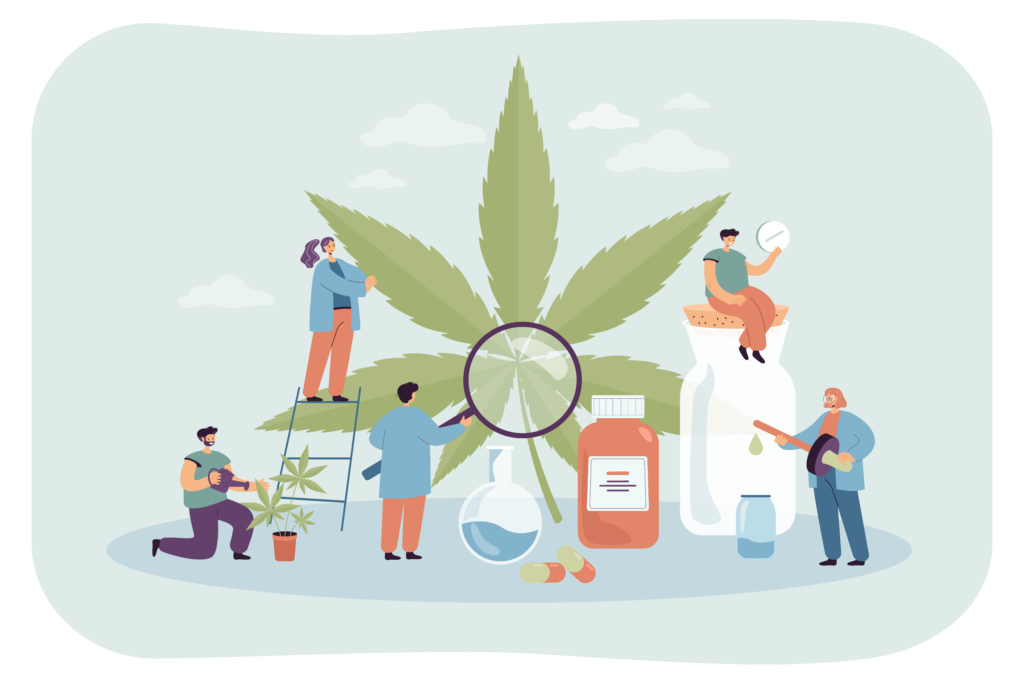
This month’s cover story by Perry Arrasmith examines a contradiction that has defined cannabis in Hawaiʻi for decades: Marijuana is both legal and illegal, accepted and prohibited, ubiquitous in daily life yet meaningfully regulated almost nowhere.
Hawaiʻi-grown cannabis, or pakalolo, has long been known for its quality and that reputation is part of the state’s image and spirit. Its cultural and economic significance is highlighted in discussions of access and legality, including his fascinating overview by Minoru Hara, “Medical Marijuana: ‘Pakalolo in Paradise: Punishable by Law’” (tinyurl.com/mjHawaii).
As Arrasmith reports, Hawaiʻi’s cannabis economy operates largely in a gray market. A 2022 Department of Taxation report estimates the state’s total cannabis market at $240 million annually, with only 2% fully legal. More than three-quarters of cannabis production and sales occur outside the regulated medical system — untaxed, untested and inconsistently enforced. This gray market is socially tolerated, widely visible and functionally embedded in everyday life across the islands.
That reality raises a hard question: If cannabis is already pervasive and passively accepted in Hawaiʻi, does it make sense to continue pretending the state does not have a responsibility to manage it?
Safety Requires Oversight, Not Ambiguity
The most immediate cost of the gray market is consumer safety. Products sold outside the legal system are not tested for potency, pesticides or mold contaminants. Consumers have little reliable information about what they are using, and the state has limited tools to intervene before harm occurs.
In the absence of regulation, dangerous products can and do enter the market. Deaths have been linked nationally to synthetic cannabinoids, which are chemically unrelated to natural cannabis but frequently sold as substitutes. In a few cases, fentanyl-laced cannabis products have been implicated in overdoses.
Legalization would allow Hawaiʻi to establish clear testing standards, labeling requirements and age restrictions — basic consumer protections that exist for alcohol, pharmaceuticals and food. It would also let public health agencies track usage trends and respond with education or prevention efforts where needed. Prohibition and partial legalization offer none of that clarity.
Cannabis is already a big business in Hawaiʻi; it just operates underground. Legalization would not create demand — it would bring an existing industry into the open, subject to licensing, environmental controls and enforcement.
Regulation levels the playing field, protects workers and allows the state to prioritize local ownership and responsible operators.
It also gives law enforcement and regulators clear authority, rather than relying on selective enforcement and legal ambiguity. In short, regulation replaces chaos with accountability.
Tax Revenue: Lessons From Other States
The fiscal argument for legalization is equally compelling. States that have legalized adult-use marijuana have seen meaningful, recurring tax revenue.
In Colorado, one of the earliest adopters, the state projected almost $200 million in cannabis tax and fee revenue during 2025, much of it earmarked for education, infrastructure and public health initiatives.
Hawaiʻi’s market would be smaller, but the principle holds. Every year the state declines to legalize recreational marijuana, it leaves substantial economic activity untaxed in the underground economy — revenue that could help fund schools, healthcare, housing or climate resilience without raising income or property taxes.
Opponents of legalization argue that illegal cannabis will persist even if adult use is legalized. That is true — and beside the point. California’s experience shows enforcement matters. The state has seized hundreds of millions of dollars worth of illicit cannabis products, much of it designed to mimic legal packaging while bypassing testing and taxes.
Without a legal framework, Hawaiʻi has fewer tools to combat unsafe or counterfeit products. Legalization does not eliminate the illicit market, but it strengthens the state’s ability to shrink it and protect consumers.
The choice is no longer between legalization and prohibition. The choice is between thoughtful governance and continued ambiguity. Legalization is not about endorsement; it is about safety, accountability and fiscal responsibility.
The gray market already exists. The question is whether Hawaiʻi will continue to look the other way — or finally bring cannabis out of the shadows and into the law.