HB20: Kaloa Robinson, Stanford Carr Development
At 35, Kaloa Robinson is already the lead manager of a $4 billion, 20-year project, one of the largest public infrastructure efforts in Hawai‘i's history.
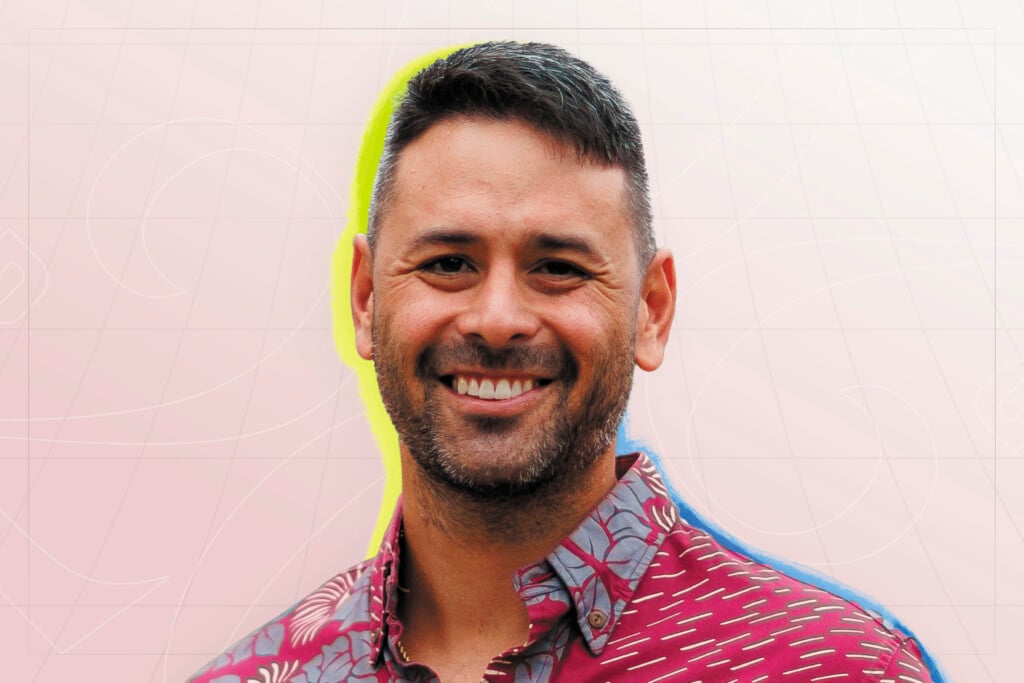
Kaloa Robinson is 35 years old, and he already knows what he’ll be working on for the next 20 years – one of the largest public infrastructure projects in Hawaiʻi’s history.
As Project Manager and a Vice President at Stanford Carr Development, he is also Lead Project Manager for the New Aloha Stadium Entertainment District venture. In that role, Robinson will be busy overseeing virtually every aspect of the massive $4 billion endeavor that is slated to be built over at least two decades.
“I feel that the lessons learned, the experience gained from spending a decade under Stanford’s mentorship has led me to this crazy opportunity,” Robinson says. “It almost feels like I was born for it, or it was waiting for me to grow up a little bit.”
Besides a new stadium, the project includes housing, economic development and cultural venues over an expanse of nearly 100 acres. It will include 4,100 housing units, three hotel towers and a mix of retail and open spaces.
Initial demolition preparation of the stadium began in the last quarter of 2025, and the new stadium is slated to be finished in 2029. Even before that is finished, however, work on the housing and entertainment portions of the project will already be underway.
“That project is huge, and it’s not a great project. It is extremely, extremely difficult,” he says.
To help illustrate the complexity of what the developers face, Robinson says the underground utility lines and easements all have to be sorted out before digging for the new structures can begin.
“While on the surface the stadium looks like a nice clean canvas, basically just a blank project for the new stadium plus all the other real estate,” Robinson says, “the truth is that underground it’s extraordinarily complicated … If you can imagine grabbing a handful of pasta and dropping it on a plate, that’s basically what the underground infrastructure looks like.”
As a warmup to this herculean task, Robinson was also lead manager on Hale Mōʻiliʻili, Oʻahu’s first high-rise affordable rental project exclusively for Native Hawaiian beneficiaries. It includes a 23-story tower with 271 apartments and 7 separate townhouses on Isenberg Street.
Robinson says he is driven by a desire to improve housing options for Native Hawaiians and to give back to the community. For two years after graduating from UH Shidler College of Business, Robinson worked for a small general contractor and then joined Stanford Carr.
“For the next 20 years, that’s going to be my work at the stadium,” he says, adding, “I’m just a local boy trying to make his back yard a little bit better.”