NY Gov. Grants Clemency to Deported Hawaiʻi Resident and Purple Heart Veteran
Pardons cover Sae Joon Park's New York convictions in 2007 for possession of a controlled substance and in 2009 for bail jumping. Board of Immigration Appeals is next step in whether he can return to the United States.
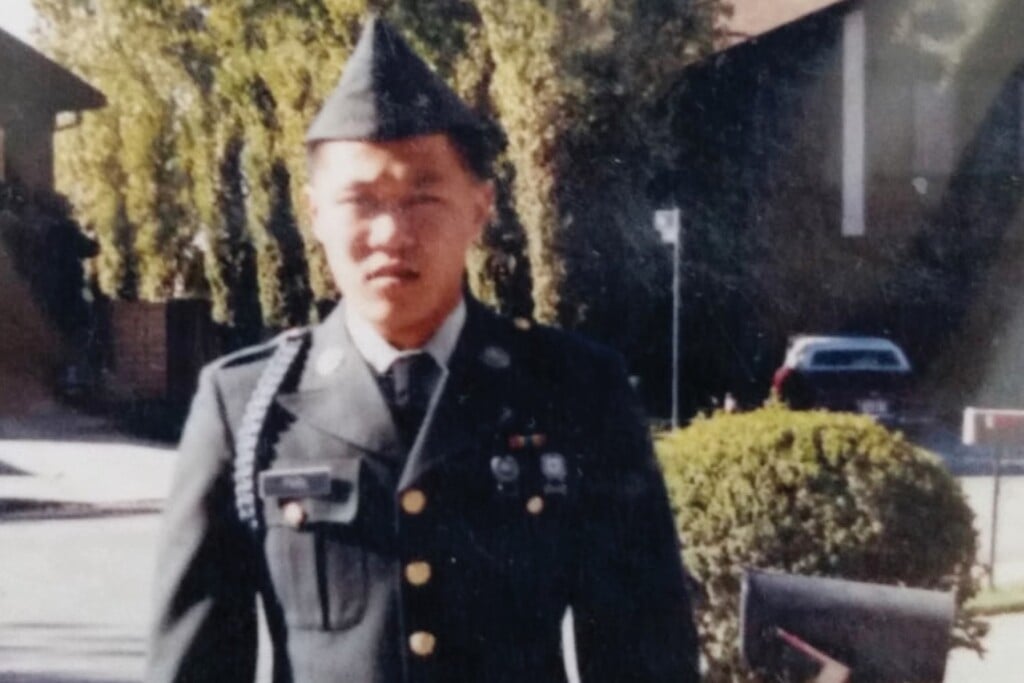
Former long-time Hawaiʻi resident and Purple Heart veteran Sae Joon Park was granted clemency on Friday by New York Gov. Kathy Hochul for two state convictions that caused him to lose the U.S. permanent residency status and be forced to self-deport.
Although he returned to Hawaiʻi after serving prison time and lived an exemplary life there for 14 years, those convictions led him to be forced by the Trump administration to self-deport from Honolulu to his native South Korea on June 23, 2025.
The pardon represents only a first step toward his possible return to the United States.
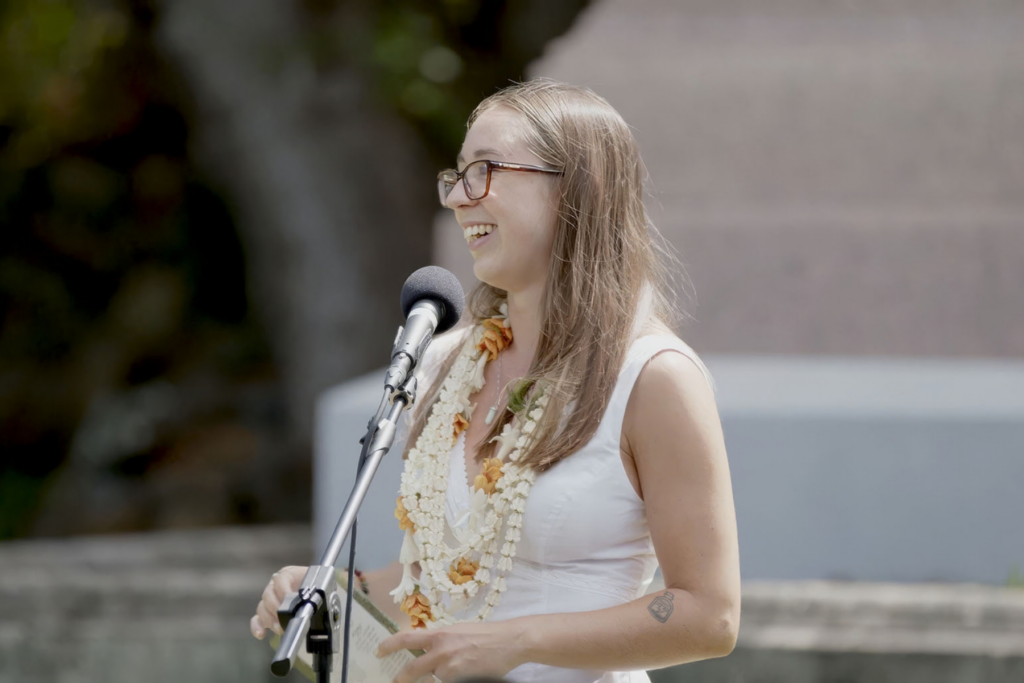
“While the work to bring Mr. Park home to the United States is not done, this pardon represents a tremendous step forward and gives Mr. Park and his family renewed hope that, after more than a year of separation, he may one day be able to return to the country he has called home since childhood and for which he put his life on the line,” according to a statement from Park’s legal team led by Danicole Ramos, associate director of the Refugee & Immigration Law Clinic at the University of Hawaiʻi at Mānoa William S. Richardson School of Law.
“Today, for the first time since Mr. Park was forced to leave his family and home, we have a chance to challenge the legal barriers standing in the way of his return,” the statement said.
Park, 57, was the subject of a Hawaii Business Magazine profile in the September 2025 issue. From Purple Heart To Persona Non Grata – Hawaii Business Magazine. He arrived in the United States with his mother when he was 7, later served in combat where he was wounded and awarded a Purple Heart medal, and later, following his convictions in New York, rehabilitated himself while being employed in Honolulu for more than a decade.
In a statement, Park said: “I still cannot believe this has happened. I am incredibly grateful to Governor Hochul for giving me this chance and for recognizing that I am more than the mistakes I made many years ago. I hope and pray every day for the opportunity to return home to my family and to the country I served. I know there is still work ahead, but today I have hope that I may finally be able to come home. I want to thank my legal team, everyone who advocated for me, and the thousands of people who have supported me and my family. I will never forget what you have done for me.”
The legal teamʻs statement said additional actions are needed.
“While the pardon does not automatically return Mr. Park to the United States, it allows him to seek the reopening and vacatur of his removal order,” the statement said. “Mr. Park’s New York convictions had severe consequences under federal immigration law. His second-degree bail jumping conviction is considered an aggravated felony under immigration law. It served as the basis for his removal and barred him from relief normally available to a lawful permanent resident in removal proceedings. It prevented the immigration judge from considering circumstances that would otherwise have weighed heavily in his favor, including military service, rehabilitation, family ties and the passage of time.”
In announcing the clemency, one of six pardons issued by the governor, Hochul said: “Individuals receiving a pardon today have lived crime-free lives for a significant period of time and have made positive contributions to their communities. All pardon recipients continue to be negatively impacted by their criminal conviction(s) despite having successfully served their sentence(s) many years ago. The Governor’s pardons will help alleviate these burdens.”
In his interview with Hawaii Business, Park said he turned to street drugs to self-medicate after his wartime injuries, including Post-Traumatic Stress Disorder, were not properly diagnosed or treated by the government medical system. He noted that he was the only victim of his crimes, for which he served two years in prison.
The legal team stated that Mr. Park accepted responsibility for his past, served his sentence, and spent more than a decade “rebuilding his life, working, and supporting his family. Today’s pardon recognizes Mr. Park’s rehabilitation.”