Introducing the 2026 Wahine Issue
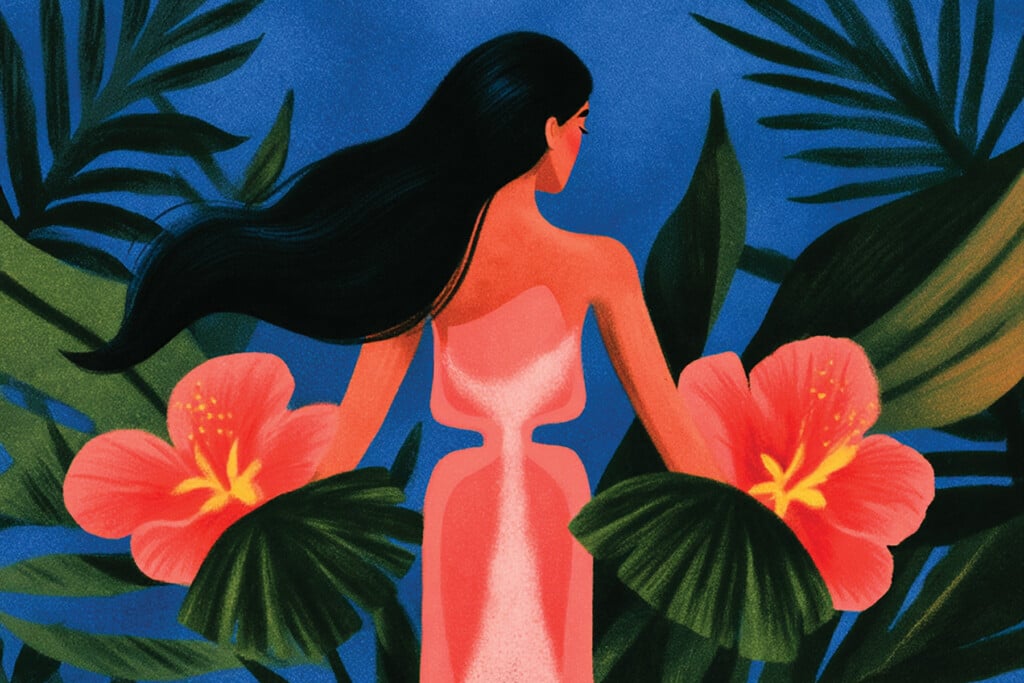
October always brings a bit of magic. Not just the fall season, but the Wāhine Forum, Hawaiʻi’s largest leadership and career development conference for women. More than 1,000 executives, entrepreneurs and rising leaders will gather to learn, connect and build community.
This issue, as with every October issue, echoes what that gathering is all about. This year, one topic stood out as largely undercovered in Hawaiʻi: women’s health. It’s only now starting to shake off decades of inattention and underfunding.
Fair warning: some of these pages are uncomfortable. Postpartum depression. Perimenopause. We knew we couldn’t cover it all in one issue, so this is the first installment in a series we’ll run for the remainder of the year. Women’s health continues to be important, and underreported, here in Hawaiʻi.
The New Business of Care
I wrote this month’s cover story. It opens with the business of women’s health and motherhood: “Who’s Taking Care of Us? Inside the New Business of Midlife Women’s Health.” Paired with it is “The Other Side of Motherhood,” by prolific writer Kerri Meade. She tells the story of one Hawaiʻi mother’s experience with stillbirth, postpartum depression and grief. It’s a side of motherhood too often unseen and unsupported.
I’m grateful to the many women across Hawaiʻi who trusted us with their stories about perimenopause and menopause, including business executive Unyong Nakata, who let us into a private, and at times painful, exchange with her own doctor. That kind of vulnerability isn’t easy to share. Their honesty is what makes this reporting matter.
Money is only just beginning to catch up to what women’s health has long needed. But it’s moving faster than the systems women actually rely on for care. The stakes go well beyond health care: McKinsey estimates closing the gender health gap could add $1 trillion annually to the global economy by 2040.
Kelly Yamamoto, a nurse whose career started in emergency medicine at The Queen’s Medical Center and moved into systems improvement, points to a deeper cultural pattern.
“We’re used to sucking it up and dealing with these issues, no further discussion. We often put ourselves last,” Yamamoto says. “Women are the managers of our lives, from family to our household and careers along with our health issues.”
From the Body to the Land
This issue also carries us from the body to the land. Mālama ʻāina is the Hawaiian values-based practice of caring for, protecting and honoring the natural world.
For this year’s Wāhine issue, Ryann Noelani Coules profiles five women doing vital work to steward Hawaiʻi’s land and ocean, conserving culturally significant sites, mitigating invasive pests, restoring coral reefs and revitalizing the traditional ahupuaʻa system. Their work is its own quiet form of care. It tends to the health of a place the way this issue’s other stories tend to the health of its people.
And from the ʻāina to the algorithm: Grant Nakasone spotlights five women changing how technology is built, used and taught in Hawaiʻi, spanning telecommunications and artificial intelligence. Their careers vary widely, government, higher education, telecom, AI, but each shares a willingness to confront established ways of thinking. Technology is changing how Hawaiʻi does business, delivers services and prepares for the future. These five leaders are helping steer that transformation.
Taken together, these issues tell one story: Women showing up. For each other. For their communities. For this ʻāina. For the industries remolding our future. Often with little recognition or support.
A mother navigating grief with no follow-up care. A woman going unheard in her own doctor’s office. A conservationist restoring a reef that took generations to damage. An engineer building the systems Hawaiʻi will run on tomorrow. The work of caring rarely gets the investment or attention it deserves.
We hope these stories change that. Even a little.