Saying ‘I Do’ to A Job That Will Never Be on My Résumé
Becoming a wedding officiant wasn't part of my career plan. It ended up teaching me an important lesson of my twenties.
If you had asked me four years ago where I’d be at 22 years old, wedding officiant would’ve never made the list. Reporter? That was always the goal.
Licensed wedding officiant? Not a chance.
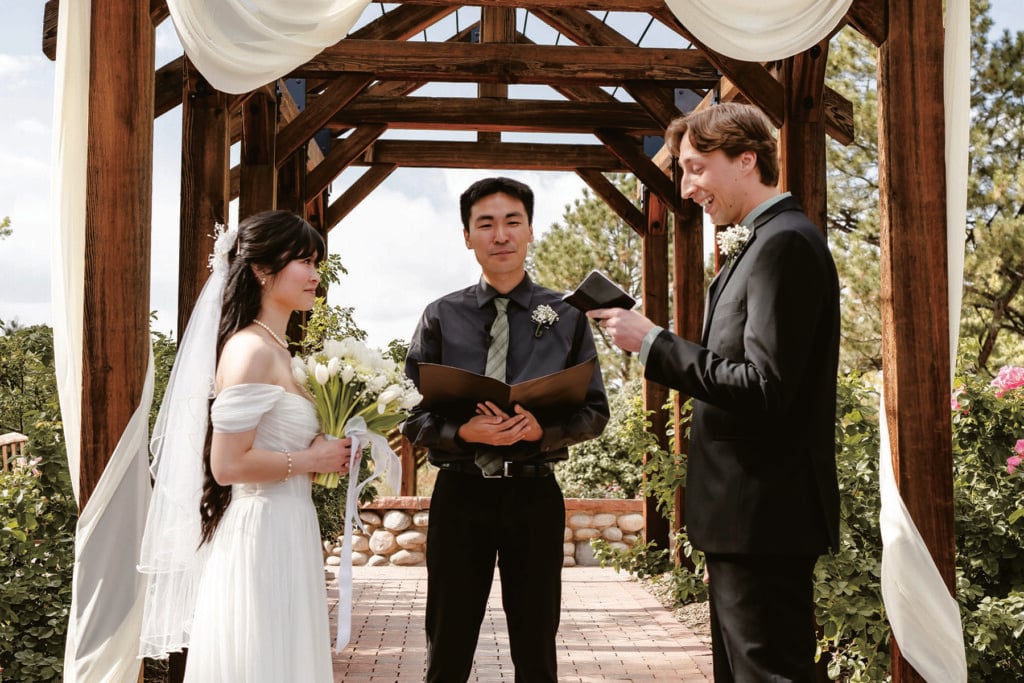
Yet in 2024, one of my three sisters asked if I would officiate her wedding in Colorado. Having never even attended a wedding before, let alone officiated one, I wasn’t exactly the obvious choice. My first reaction was equal parts honored, confused and bewildered.
Naturally, “Are you sure?” were my first words back to her, but eventually I agreed.
Because of Colorado’s marriage laws, my role as an officiant was symbolic, yet standing in front of our families that day, I was more nervous than I expected. It wasn’t public speaking that got my palms sweating. I was nervous because I understood the responsibility. Out of everyone they knew, my sister and her fiancé had trusted me to stand before their families and facilitate the beginning of their marriage.
When the ceremony ended and the celebrations were over, I figured that’d be the first and last time I officiated a wedding, a one-time experience and a memorable story to tell years later.
Then another sister got engaged.
A month after graduating from college this past May, I became licensed in Hawaiʻi so I could officiate her wedding. This month, I’ll stand in front of another group of family and friends to officiate the marriage of my cousin and her fiancé, and I’ve even had a few close friends ask if I’ll officiate theirs in the near future.
Somewhere along the way, I became my family and friends’ go-to wedding officiant. And the irony is that the experience that has become one of the most meaningful parts of my life has almost nothing to do with the career I’ve spent years preparing for.
Like a lot of people in their twenties, I entered adulthood believing every experience should somehow make me better professionally. During college, when registering for classes, weighing internships and mulling over extracurriculars, I often asked myself: Would this help me land a job? Would this make my résumé stronger? Would this give me an edge over other candidates?
Officiating weddings doesn’t really fit into any of those categories. No one’s going to hire me because I know how to pronounce a couple married. No promotion is waiting for me because I know how to write a wedding ceremony script or deliver one without stumbling.
And that’s exactly why saying yes to these weddings has been one of the most rewarding experiences of my life.
The weddings have given me something I never expected: The chance to play a small but meaningful role in one of the happiest days of someone else’s life. There is something extremely humbling about being trusted with such a responsibility.
For a few hours, my job isn’t to build an impressive résumé, network or meet a deadline. It’s simply to be present for people I love and care about.
After officiating two weddings, with more to come, I’ve gained some much-needed perspective. They’ve reminded me that while our jobs are no doubt an integral part of life, they’re only one part of life.
The experience has also taught me that some opportunities are worth taking simply because they make life a little richer, and not in the financial sense. They’re not worth taking because they’ll advance your career or earn recognition from your bosses, but simply because they’re meaningful and, more importantly, because they make you a better person.
So, on second thought, maybe officiating has made me a better professional after all, just in ways I would have never expected.
By standing before two people as they prepare to commit the rest of their lives to each other, I’ve become a student of human nature, listening to couples speak about the experiences, shared dreams and promises that brought them together.
That kind of empathy required to officiate a wedding isn’t just limited to wedding ceremonies. Whether you’re a reporter, an accountant, an engineer or a scientist, understanding people is invaluable. So is listening closely and being able to put yourself in their shoes.
As young and ambitious professionals, it’s easy to overlook those skills while focusing solely on building and establishing careers. But as I’ve come to find out, many of the experiences that seem entirely unrelated to our professional lives are the ones that actually teach us how to be better at them.
Officiating weddings may not have made me a better journalist in the way I once thought professional experiences were supposed to. But it has made me a better listener and, I hope, a more empathetic person.
So, when I stand beside my cousin and her fiancé as they say, “I do,” I’ll be thinking about the two people standing in front of me, the story that brought them together and how lucky I am to have been trusted to help them begin the next chapter together.
And maybe that’s the kind of person I’d want standing beside me on my wedding day, too.