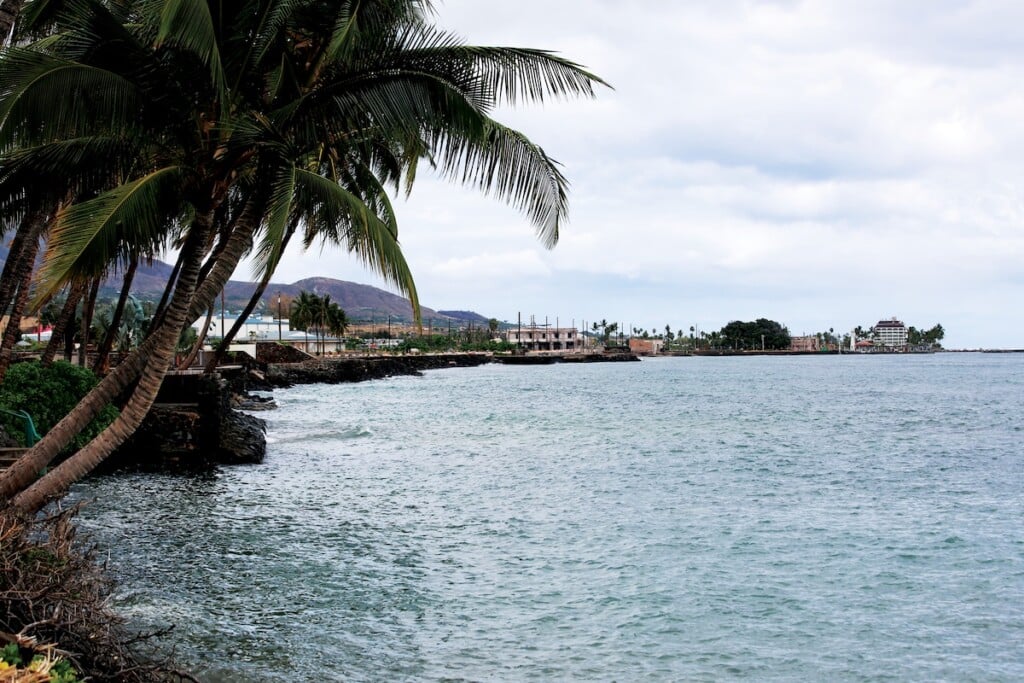
The Yen Flipped Who Gets to Cross the Pacific
As the battered yen opens Japan up to Hawaiʻi residents, it closes Hawaiʻi off to Japanese. What happens to the ritual of Japenese tourists to our Islands? How do you get your taste of paradise when you can no longer afford to fly there?
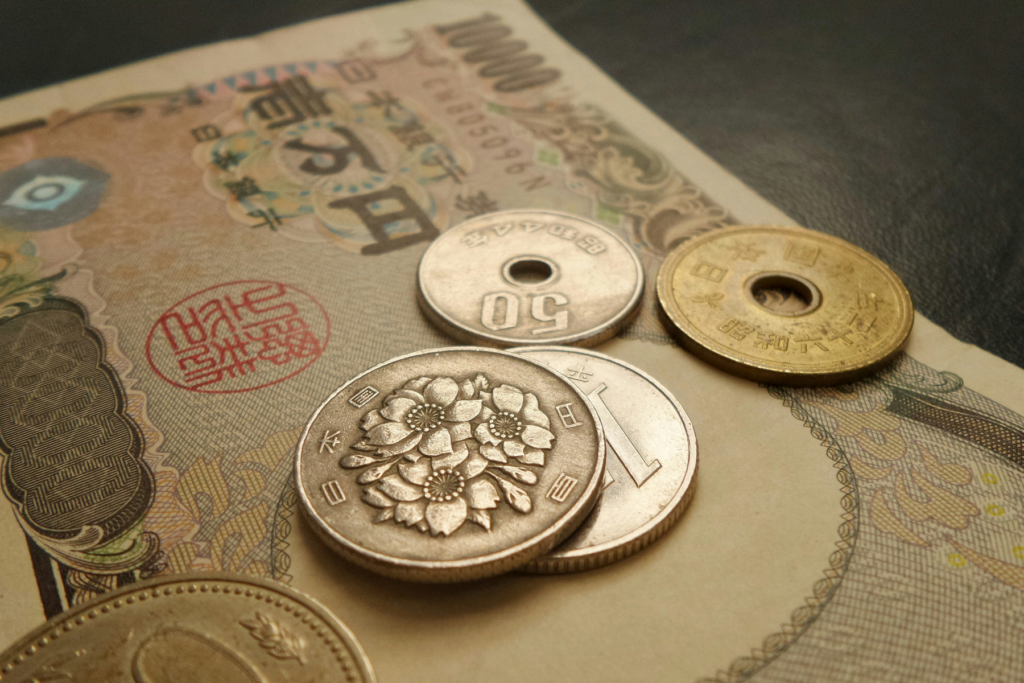
At least one local I meet each week these days is headed to Japan on vacation. It’s not difficult to see why: The yen recently hit a four-decade low, trading near 162 to the dollar in early July. For a lot of Hawaiʻi families, that’s bittersweet, decades spent fantasizing about a trip that always felt just out of reach.
There’s a quieter story on the other side of the Pacific. For just as long, Japanese visitors treated Hawaiʻi as an annual ritual. Now, as the same currency swing opens Japan up to Hawaiʻi residents, it closes Hawaiʻi off to Japanese. What happens to that ritual? How do you get your taste of the Islands when you can no longer afford to fly there?
The numbers show how deep this goes. The U.S. dollar was 37.7% stronger against the yen in 2025 than in 2016, rewriting who can afford to cross the Pacific, and in which direction.
This isn’t a column about Hawaiʻi tourism struggling, as statewide visitor spending hit a record $21.75 billion in 2025. It’s specifically the Japan market that’s been cut roughly in half: Japanese visitors spent $2.19 billion here in 2019, before the pandemic and well before the yen’s current slide.
By 2025, that had fallen to $1.08 billion. Arrivals tell the same story: In July 2025, Japanese arrivals were down nearly 59% from July 2019, one of the steepest gaps of any market the state tracks, even as U.S. mainland arrivals had largely returned to pre-pandemic norms.
It shows up in trade, too. Japan has been Hawaiʻi’s second-largest export destination over the past decade, averaging $91.9 million a year. What flows from Hawaiʻi to Japan says a lot, refined petroleum, apparel, bottled water, coffee, everyday goods from two economies that have long leaned on each other. The weak yen cuts both ways: Pricier for Japanese buyers of Hawaiʻi goods, cheaper for Hawaiʻi buyers of Japanese ones, which may explain why trade hasn’t cooled as tourism has.
The real question isn’t whether Hawaiʻi and Japan are still connected. It’s what that connection looks like now, for the Japanese family that used to spend every August or December in the Islands and can’t this year.
Are Hawaiʻi businesses finding ways to bring a piece of the Islands to them instead?
For that, I’d point you to contributing writer Rachel Wagenman, who spent time with Hawaiʻi companies going to Japan rather than waiting for tourists to return.
One example from her story: Nina Thai, who runs the Waikīkī label Angels by the Sea Hawaii, noticed years ago how many customers were arriving from Japan, so she started showing up there instead, landing a spot at the Tokyo International Gift Show and becoming a regular at Osaka’s Hankyu Hawaiʻi Fair.
What she’s found, in Wagenman’s telling, is that Japanese shoppers aren’t just buying resort wear. They’re buying their connection to the Islands. Read her full piece for the rest from Thai and other local business owners.
The irony: the same weak yen keeping Japanese families out of Waikīkī this summer is making Hawaiʻi’s pitch to them cheaper to make. A plane ticket to Honolulu has gotten harder to justify. A pop-up booth in Osaka hasn’t. At the moment, that’s where the relationship is living.
Wahine of the Year

Hawaii Business Magazine names Catherine Ngo our first Wahine of the Year. She will be honored at our Wahine Forum in October.
Ngo has spent more than a decade shaping Hawaiʻi’s financial landscape and its culture of giving back. She joined Central Pacific Bank in 2010 as executive vice president and chief administrative officer, and in 2015 became the bank’s first female president and CEO, a role she held until 2022.
She went on to serve as executive vice chair, then chair of Central Pacific Financial Corp. and Central Pacific Bank from January 2023 to June 2024, guiding the institution through recovery and growth while championing initiatives for local small businesses.
Before Hawaiʻi, Ngo built a career in Silicon Valley as executive vice president and general counsel of Silicon Valley Bank, and later co-founded Startup Capital Ventures, an early-stage venture firm investing across Hawaiʻi, Silicon Valley and China.
In October 2025, Ngo stepped down from CPB and CPF’s boards of directors, but her community work continues undiminished: she remains president and chair of the Central Pacific Bank Foundation, where she has directed millions in grants toward housing, small business support and programs like WE by CPB Rising Tide, which mentors women entrepreneurs. She also serves on the boards of Hawaiʻi Gas, Maui Land & Pineapple Co. and the Federal Reserve Bank of San Francisco.
Hope to see you at our fall event!
Jennifer Ablan, Editor-in-Chief