Hawai‘i’s Sustainability Heroes: Makena Coffman
The UH Mānoa professor is an energy and climate policy expert focused on reducing carbon emissions, especially in the transportation sector.
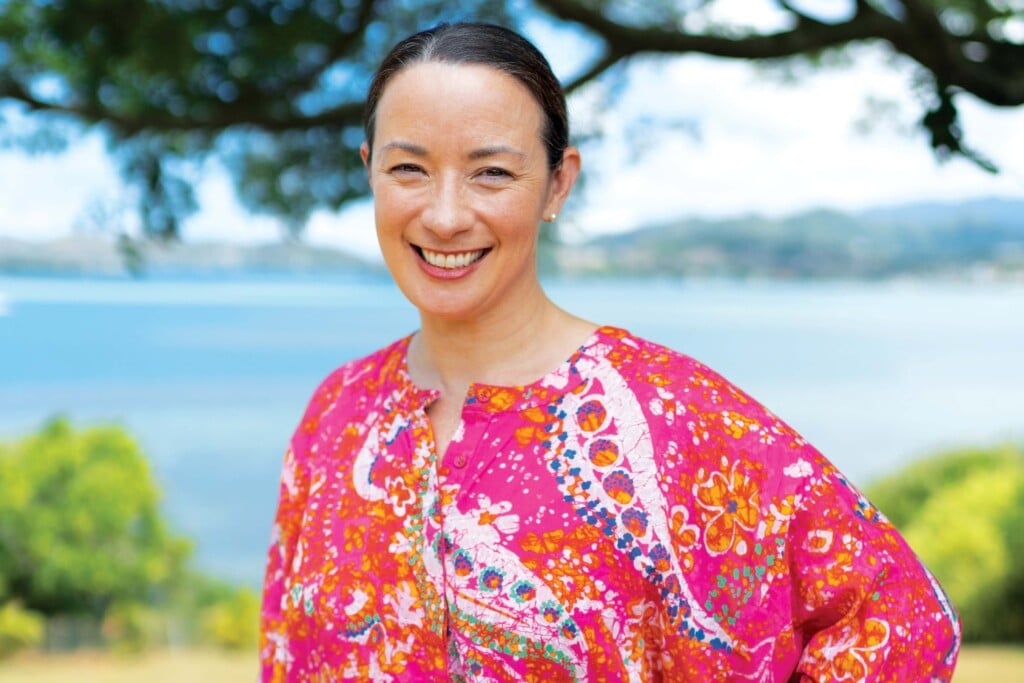
The UH Mānoa professor is an energy and climate policy expert focused on reducing carbon emissions, especially in the transportation sector.
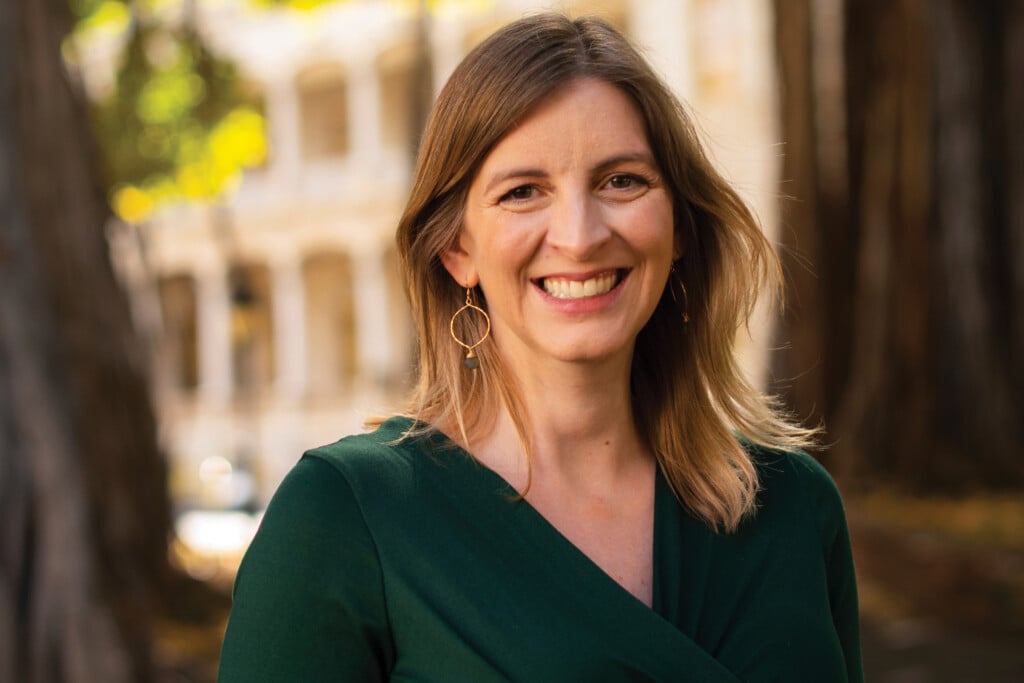
Among its recent legislative wins is a law that extends efficiency standards to toilets, water coolers, ventilating fans and other products.
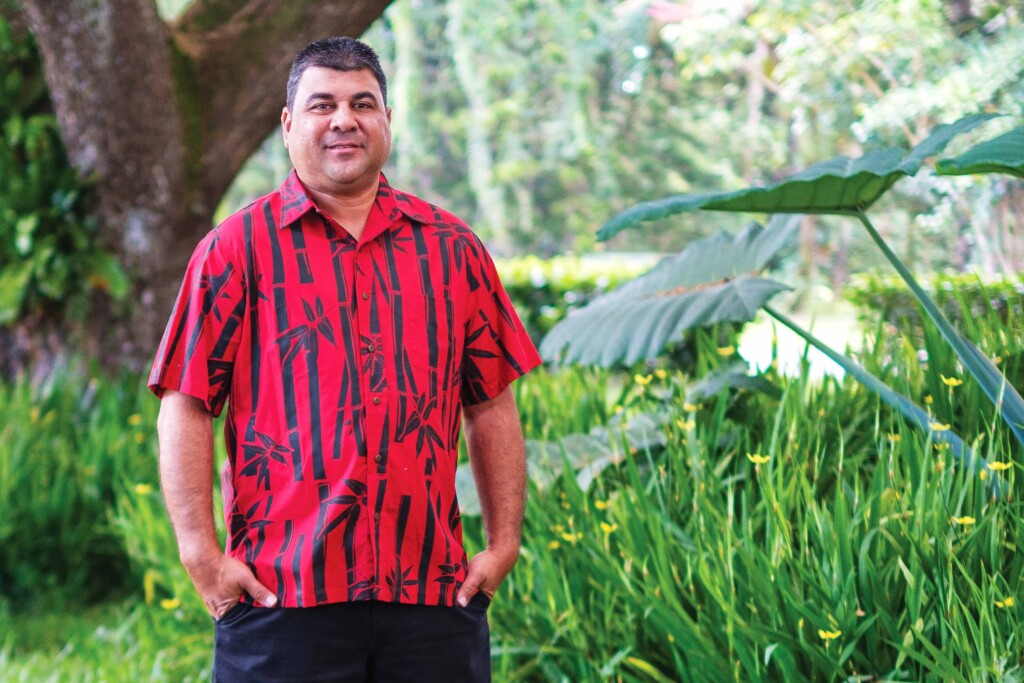
The company helps homeowners and renters reduce their energy and water waste, while saving customers $6.3 million a year.
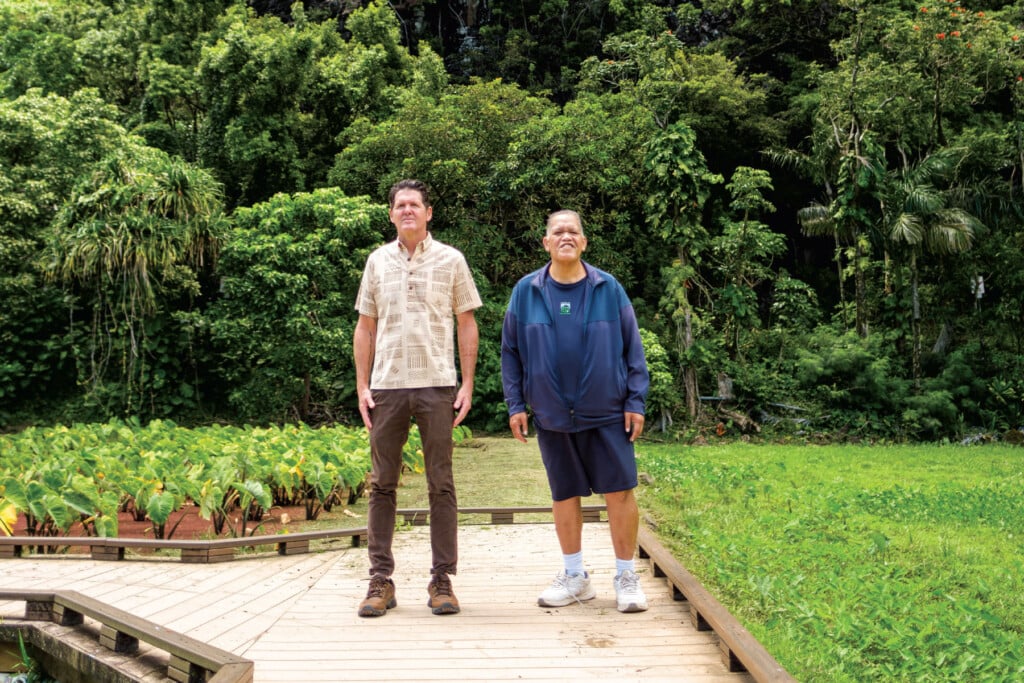
A program that limits access at Kaua‘i’s Hā‘ena State Park and raises local dollars is considered a model for places inundated by visitors.
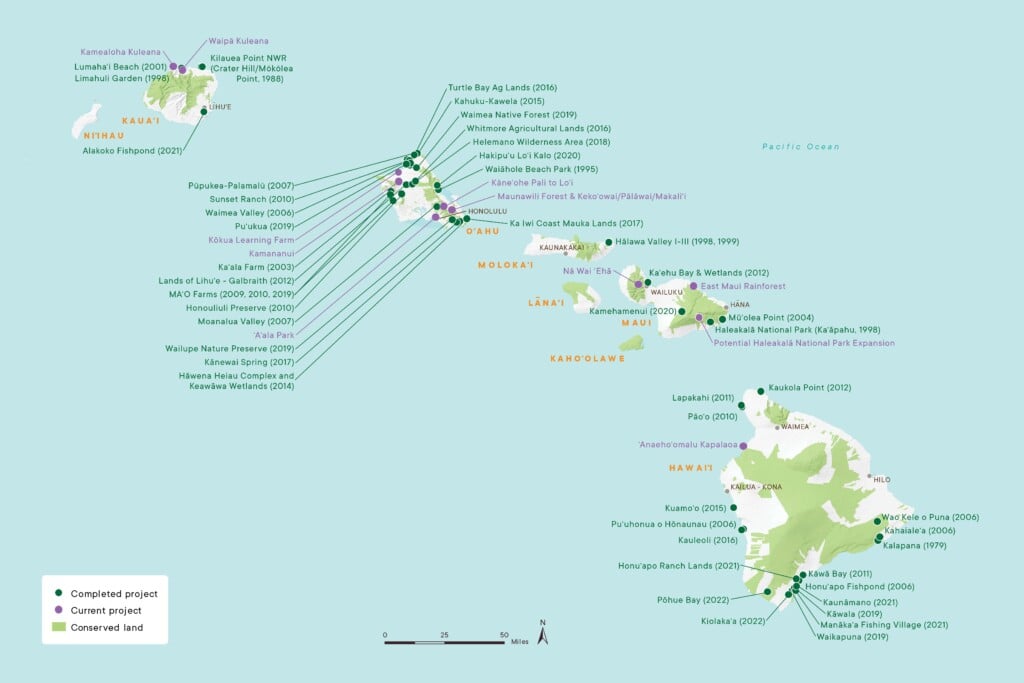
Since its founding 50 years ago, the organization says it has protected over 77,000 acres. Among its current projects is returning land to Native Hawaiian control.
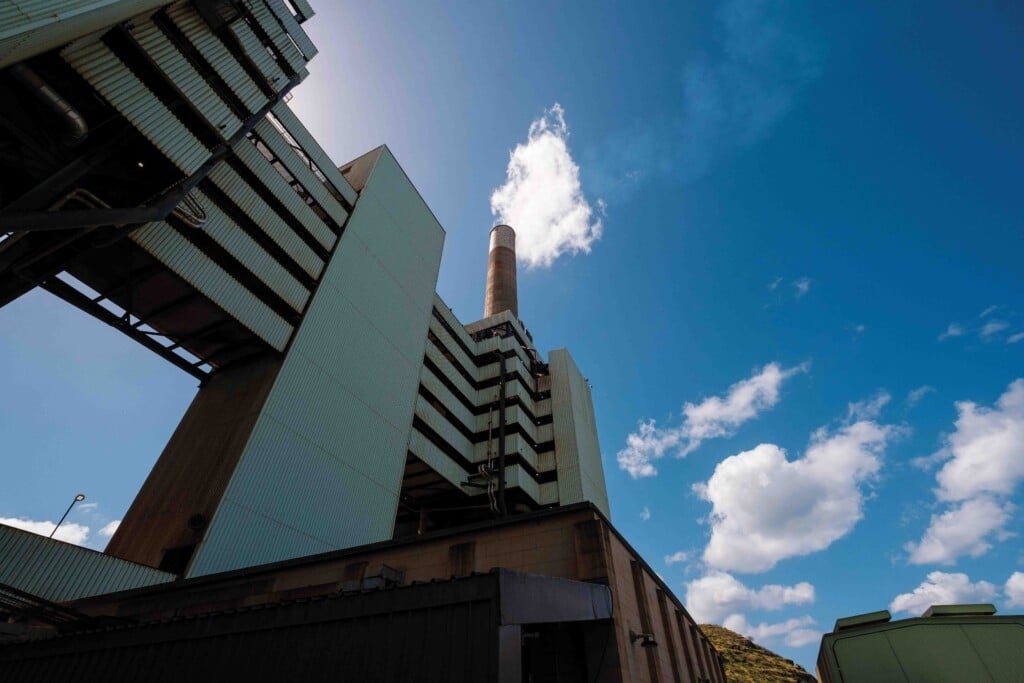
Behind the scenes at the Kahe Power Plant, which opened in 1963 and still generates firm power to supplement solar- and wind-generated electricity.

The nonprofit is focused on small steps that will make a big impact in reaching Hawai‘i’s 100% clean energy goals.
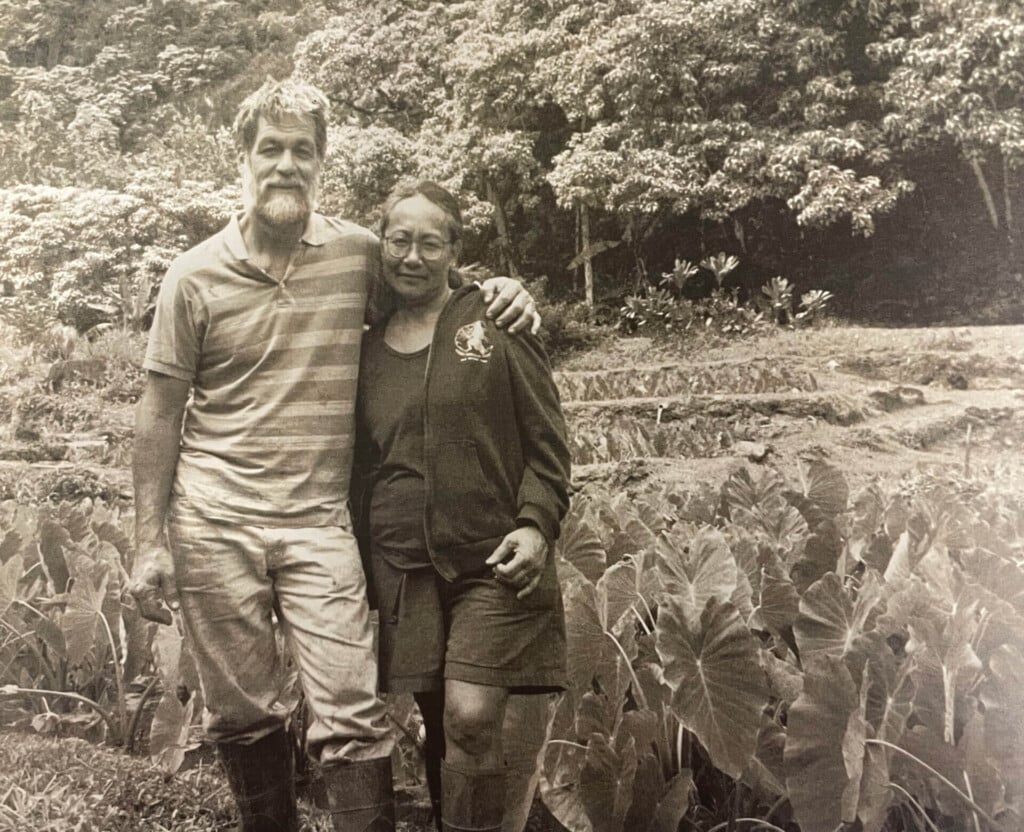
Tweetie and John Lind have spent their lives preserving traditional subsistence practices and Hawaiian lifestyles in Kīpahulu.
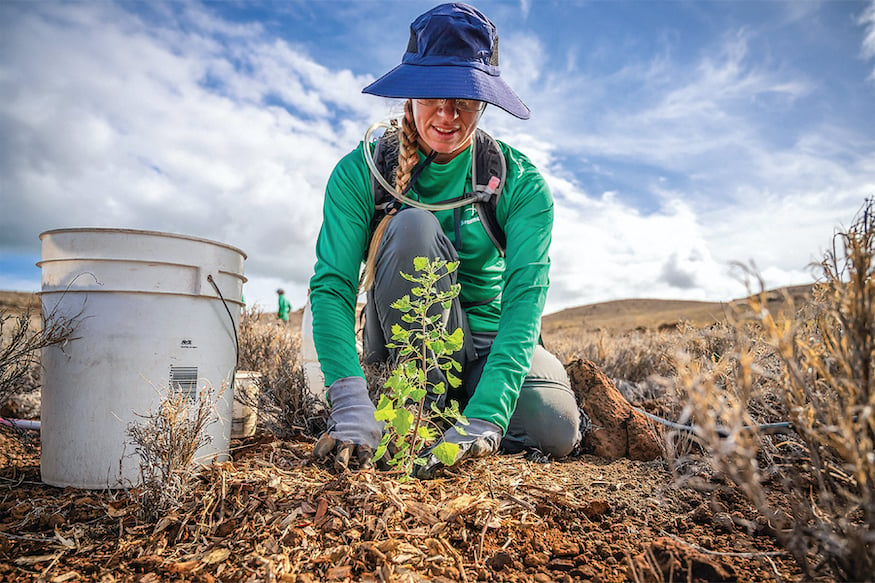
Terraformation started by planting 7,200 trees and plants. The ultimate goal: restoring 3 billion acres across the globe.