Restoration of He‘eia Fishpond Nears a Major Milestone
Paepae o He‘eia has spent decades removing mangroves and rebuilding the fishpond wall. The nonprofit is now gearing up to start sustainable fish production.
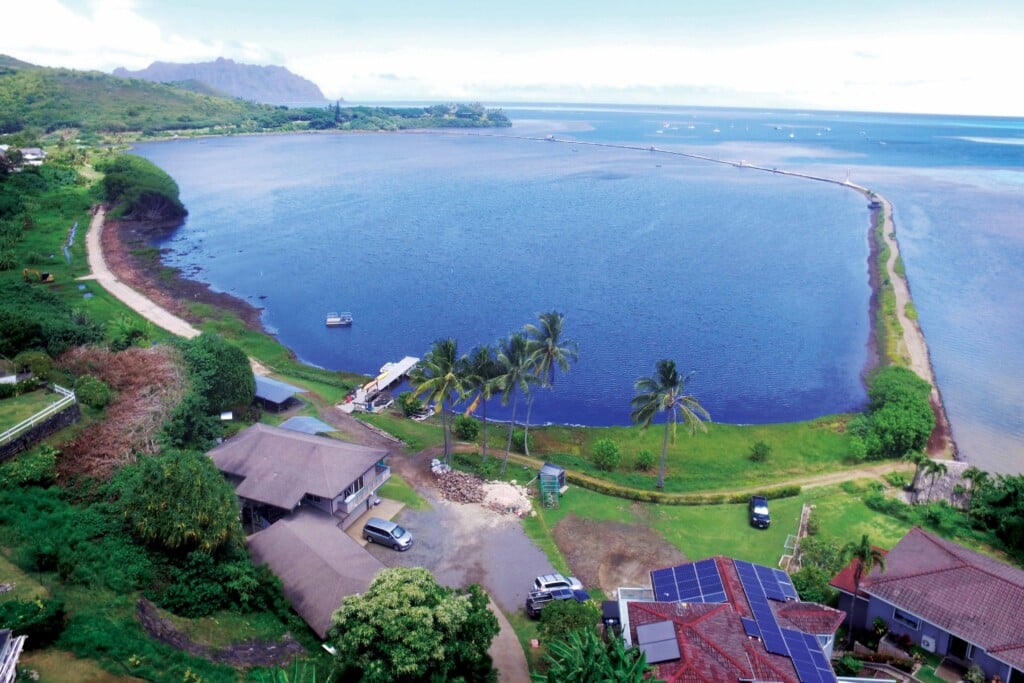
Paepae o He‘eia has spent decades removing mangroves and rebuilding the fishpond wall. The nonprofit is now gearing up to start sustainable fish production.

Each of the garments made at Kealopiko’s screen-printing workshop are one-of-a-kind and tell a story.

Only one major TV series is scheduled to be shot on O‘ahu this summer. Local crews and actors are struggling to find work.
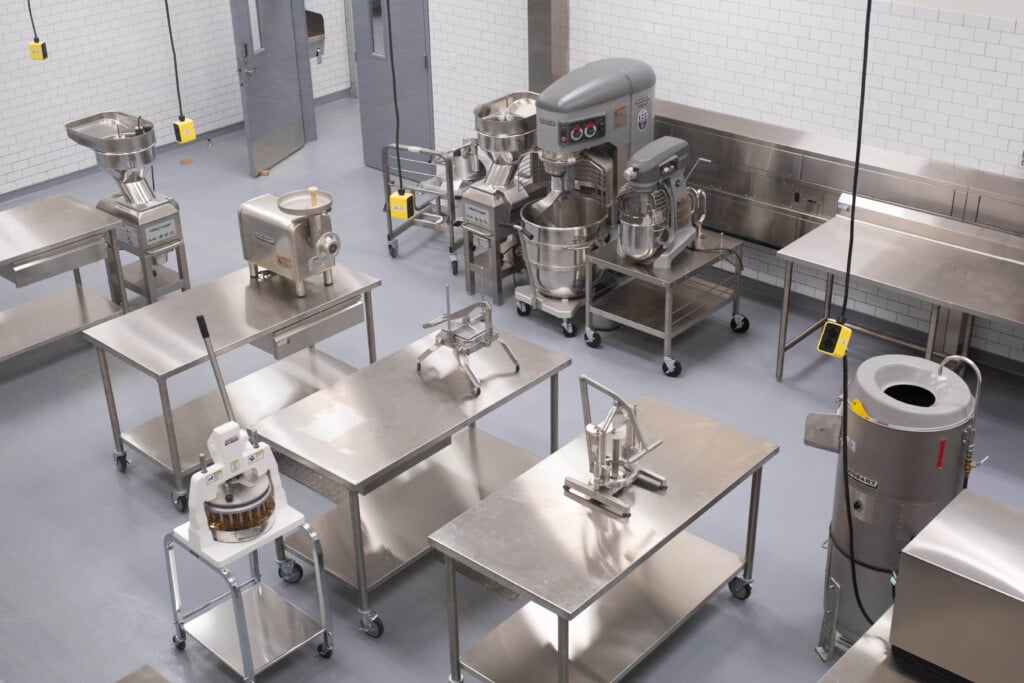
The new Wahiawā Value-Added Product Development Center rents equipment and space for small businesses to ramp up production.

2024 SmallBiz Editor’s Choice Award winner: Renee Tillotson opened her Kaka‘ako studio after falling in love with Nia, a holistic fitness practice.
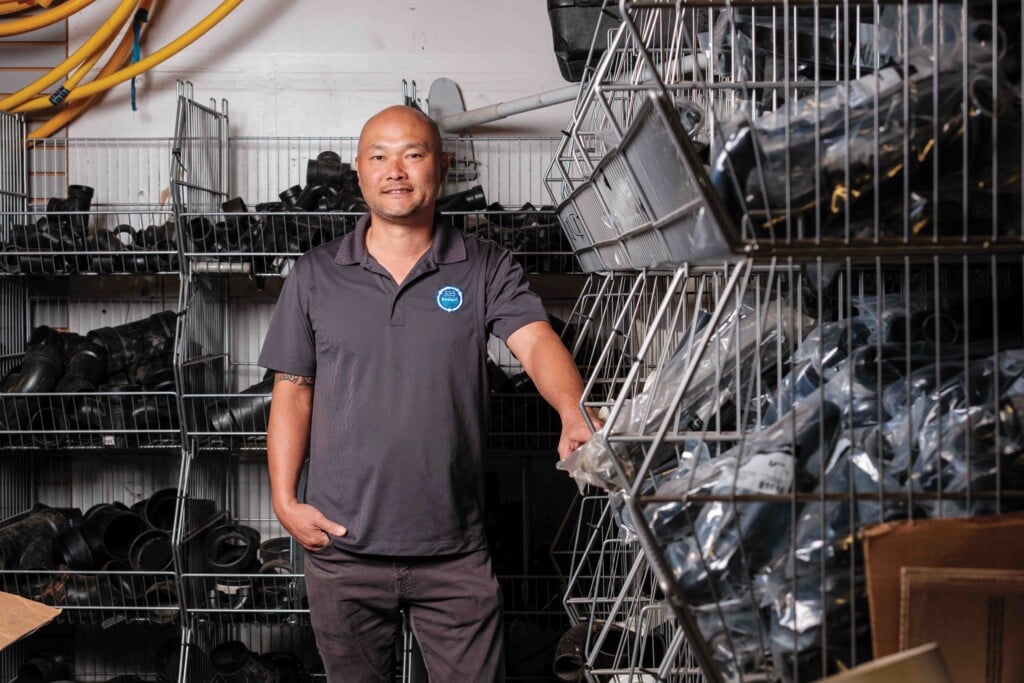
2024 SmallBiz Editor’s Choice Award winner: Founder Shane Mizusawa says service costs are “very transparent and upfront.” Some are even free.
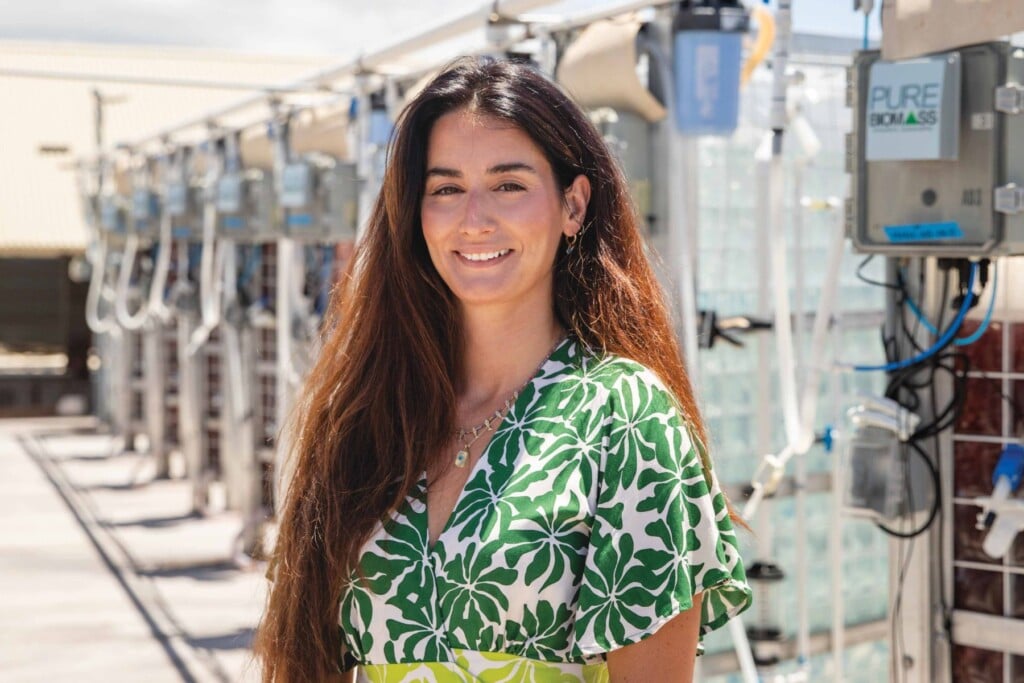
2024 SmallBiz Editor’s Choice Award winner: Founder Alexia Akbay says its nutritional supplement for livestock dramatically cuts their methane emissions.
He brings extensive experience in law and government to a new role as the nonprofit’s president and executive director, advocating for working families.

As the nonprofit’s executive director, she is a leading force in the regenerative tourism movement that centers Hawaiian culture.
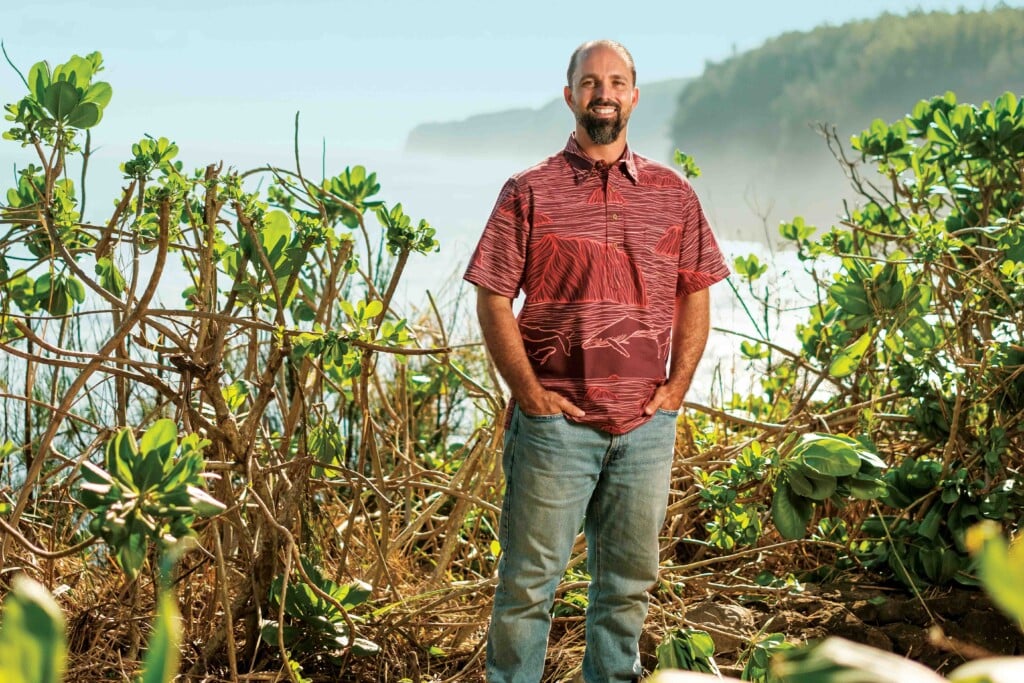
The executive director of this Hāmākua nonprofit has worked to transform an overgrown plot of land into a thriving farm and community hub.

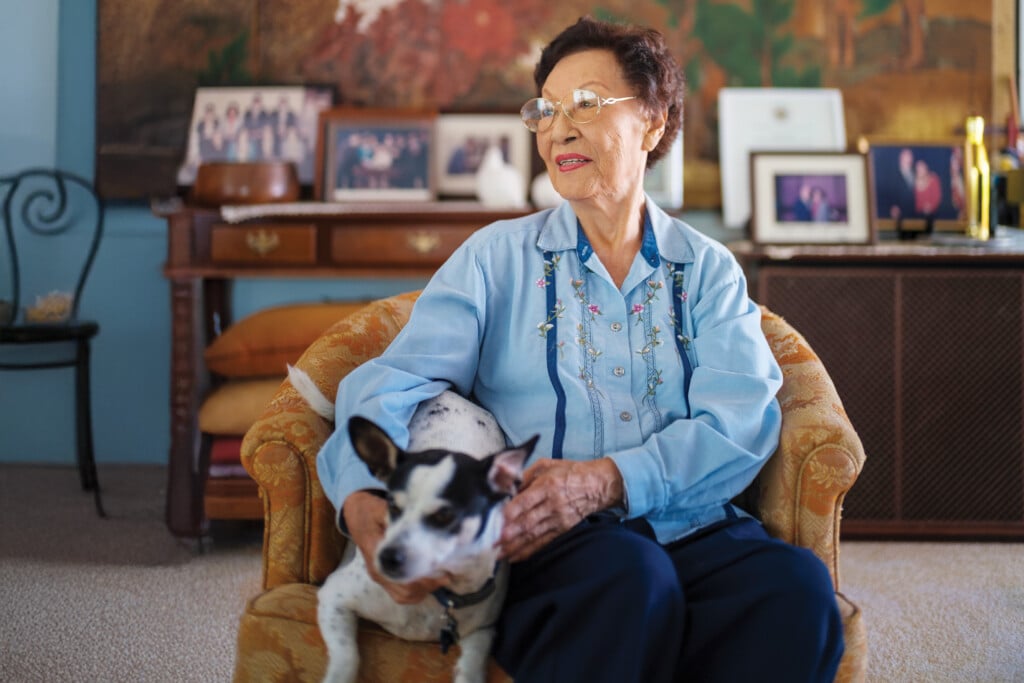
After long and successful careers, these seven kūpuna are still helping their communities in inspiring ways.

10 wāhine who have stepped up to lead, from corporate executives to organizers of grassroots relief efforts on Maui.
Climate change has raised the stakes for Hawai‘i and communities around the world. That’s why we are sharing six stories of people and companies that are taking significant climate action.
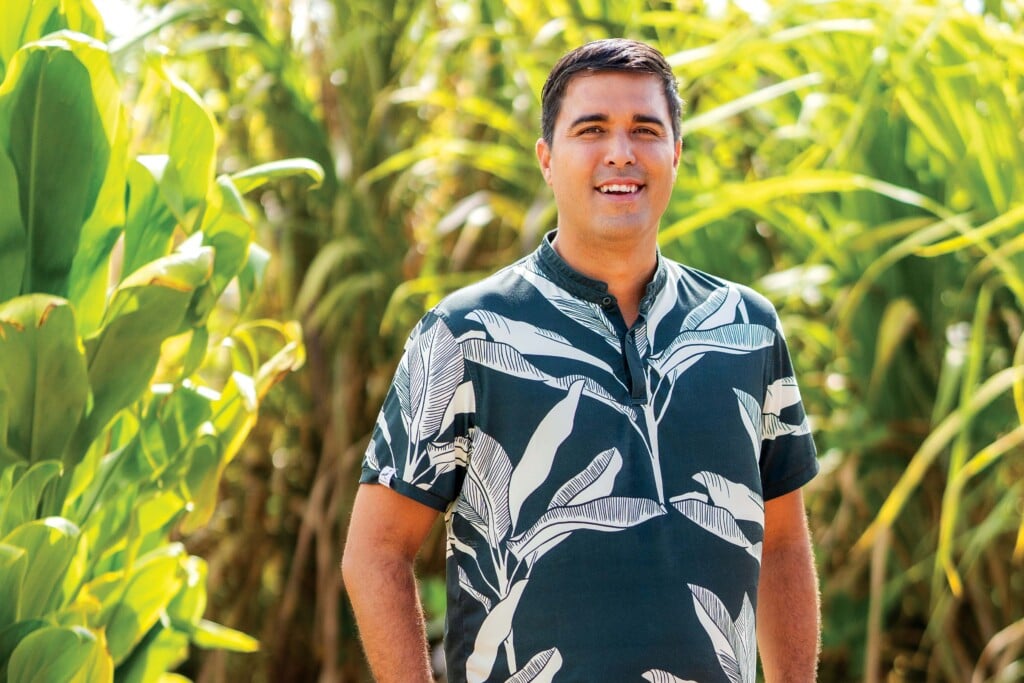
The company is on a mission to conserve land, save native species, promote food security and develop renewable energy from agriculture.
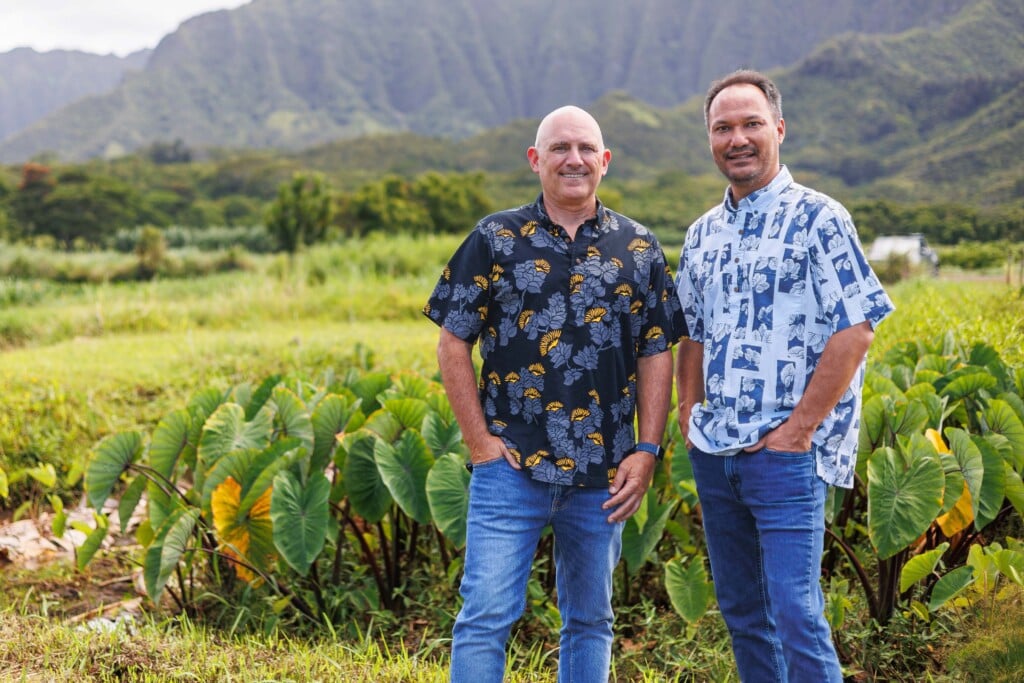
The company uses machine learning to optimize energy use, with a focus on multifamily and rental buildings.
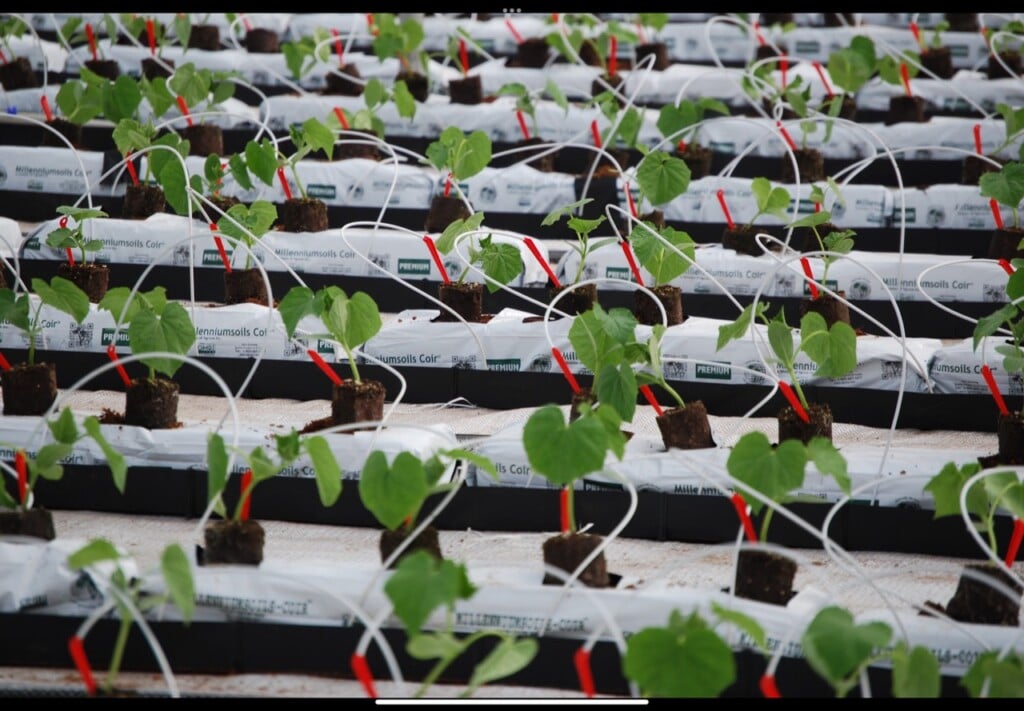
Innovations such as data sensors, drones and controlled environments make farming easier, more productive and more profitable.
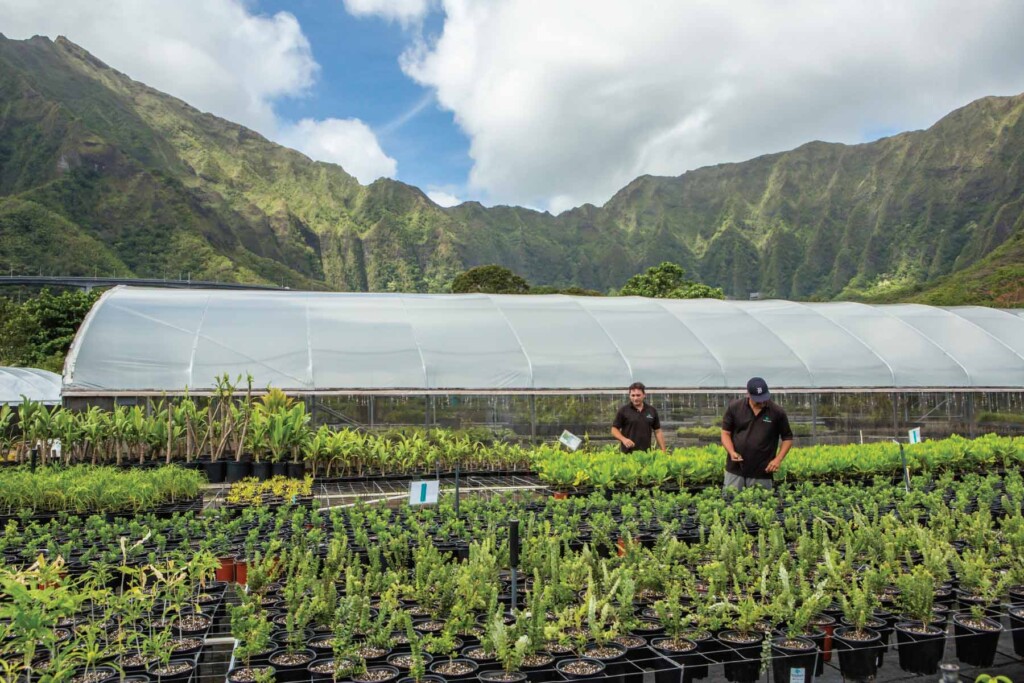
Native, endemic and canoe plants are popping up in nurseries, on fabrics and in herbal healing, replacing many introduced species.

UH students and faculty are creating original plays in ‘Olelo Hawai‘i, and winning national awards.

The perks of an ESOP include more company tax deductions and employee retirement benefits, and businesses that won’t be gutted by outside buyers.
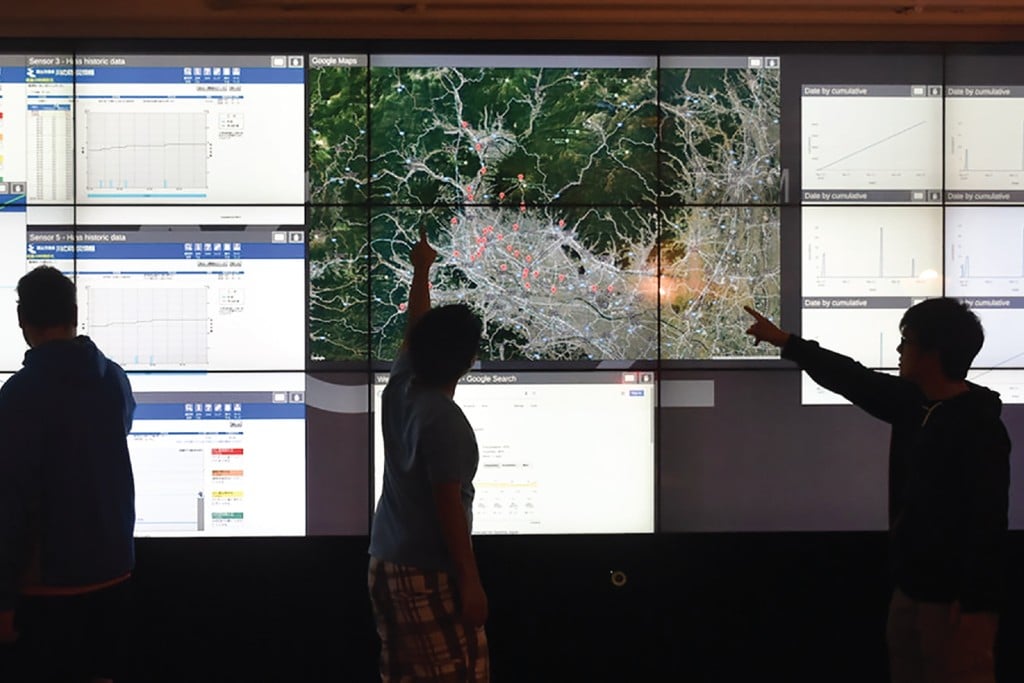
The lab at UH Mānoa visualizes complex information to help solve problems linked to tourism, climate change, the brain and more.
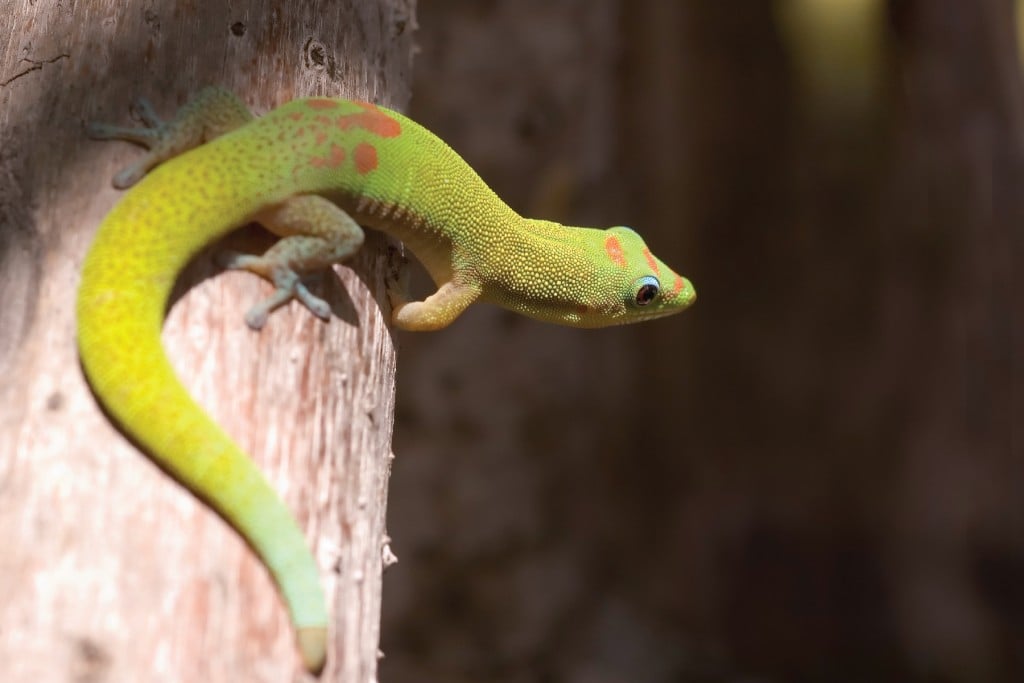
Many eat cockroaches and ants, while others dine on spiders and centipedes. Though you may see your home as yours, geckos see it otherwise. They are often highly territorial and usually claim a part of your house as their own.

More than three years after a raging wildfire swept through Lahaina and turned most of the town to ashes, the main business artery, Front Street that runs parallel to the ocean, remains vacant. Not a single business has returned to…