EXCLUSIVE: Q&A With Rep. Justin Woodson After Passage of Bills Protecting DOE Employees from Harassment
Related: Protecting Public Employees From Harassment, With Lessons for the Private Sector, Too
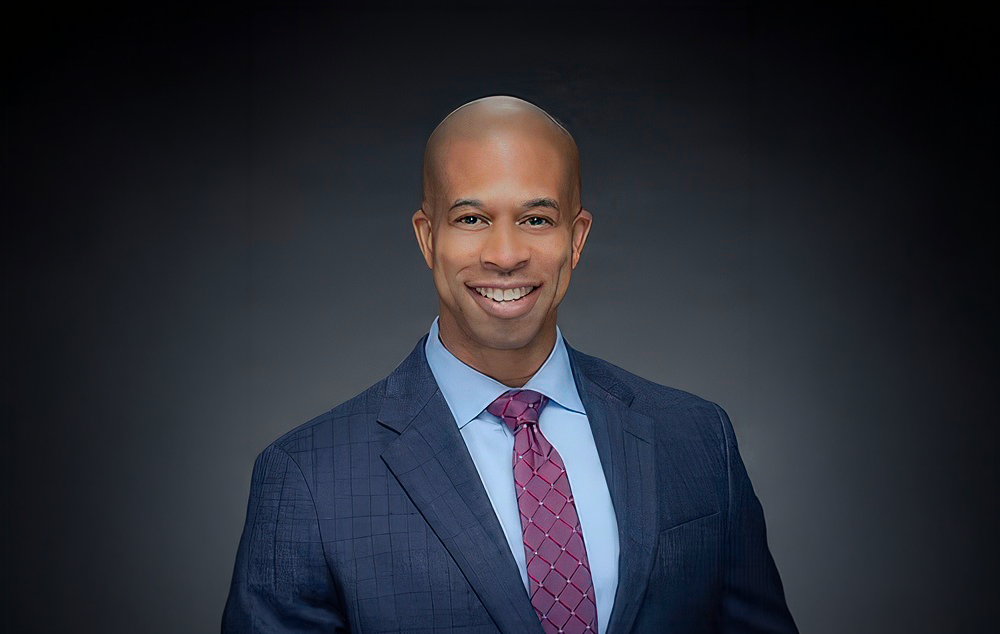
Rep. Justin Woodson, chair of the House Committee on Education, spoke by phone on Friday with Hawaii Business Magazine Managing Editor Ken Wills, about two bills passed by the legislature and sent to Gov. Josh Green for veto or approval. While the legislation covers DOE employees and contractors, Woodson said lawmakers may have to introduce other legislation to cover employees of different state agencies.
Following are excerpts from that interview, slightly edited for conciseness.
HB: This legislation capped a four-year effort to address a rising number of cases of harassment against Department of Education employees and contractors. What’s your initial reaction?
Woodson: “I’m just very happy for the cooperation from the stakeholders, and I’m just ecstatic that we were able to get it over the finish line. We worked really hard with those stakeholders like the Attorney General’s office, so we’re hopeful that the governor will sign it.”
HB: If signed by the governor, how would it change current practices?
Woodson: “What it does is it says that the AG’s office can help out with educational workers [and contract employees of the DOE] through that very strenuous process. So that in itself is an industry shift, because the standard across the state is that these types of legal services will not be provided for employees that are seeking out this type of help.
“But what we are saying is, for the first time, our industry standard will be that, yes, the state will provide legal, technical assistance if the AG agrees to do it for educational workers. That is hugely significant.”
“It’s something that’s new. It’s not done in industry in this state or across the country. This is an elevation of how we see our responsibilities as it relates to protecting employees. Because, to me, it’s very common sense. If someone is sexually harassed or they’re alleging harassment at a place of work, then what is the workplace’s responsibility for addressing it? If there’s concern enough for an employee to seek out legal separation via a temporary restraining order, then the employer should help out with that. So that’s what we’re doing in this situation. And to me, that’s a beautiful thing.”
“Democracy sometimes is slow deliberately, so we want to make sure we get things right. I definitely don’t want to take that for granted in the big picture. But still, having said that, I’m very surprised it took this long.”
HB: What was the impetus for this legislation? (The bills came about after Rep. Woodson and his staff met with employees who complained about harassment from members of the public, including some parents.)
Woodson: “We were sitting in a meeting with some of the — I call them survivors — about particular bad actors that over years were harassing these educators. As they were telling their stories, people in the room that were impacted by these individuals started crying, you know, they started to shake. They were visibly disturbed just hearing these stories. And so in my mind that is not acceptable. That’s the genesis of this bill.”
HB: Does this legislation stifle parents’ rights to advocate for their children or to communicate with educators and DOE staff?
Woodson: “You can communicate and advocate for your child or a student, yes, if you think that things are not as they should be. I mean that is 100% okay, of course. But, you know, there’s a delineation as to what is appropriate and what is not. And so that’s what the bill does.”